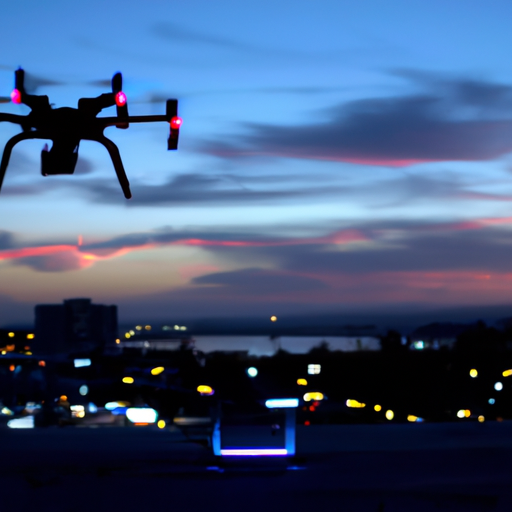
"Unlock the Power of the Skies: Monitor Weather and Natural Disasters with a Drone!"
Introduction
Drones have become increasingly popular in recent years, and their use is expanding into many different areas. One of the most important applications of drones is in monitoring weather patterns and natural disasters. Drones can provide a unique perspective on these events, allowing for more accurate and timely data collection. This data can be used to better understand and predict weather patterns and natural disasters, as well as to provide early warning systems for those in affected areas. In this article, we will discuss the advantages of using drones to monitor weather patterns and natural disasters. We will look at how drones can provide more accurate data, how they can be used to provide early warning systems, and how they can be used to monitor the effects of natural disasters.
How Drones are Revolutionizing Weather Monitoring and Natural Disaster Response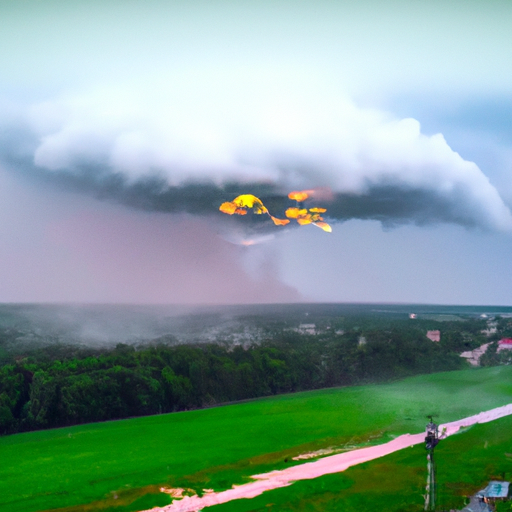
Drones are revolutionizing the way weather monitoring and natural disaster response are conducted. By providing a cost-effective and efficient way to collect data, drones are allowing for more accurate and timely information to be gathered. This data can then be used to better prepare for and respond to natural disasters.
One of the most important ways drones are being used in weather monitoring is for storm tracking. By using drones to fly into the eye of a storm, meteorologists can collect data on wind speed, temperature, and humidity. This data can then be used to better predict the path and intensity of the storm. This information can be used to alert people in the path of the storm and help them prepare for the worst.
Drones are also being used to monitor the effects of natural disasters. After a hurricane, tornado, or other natural disaster, drones can be used to survey the damage and provide a more accurate assessment of the situation. This information can then be used to determine the best course of action for relief efforts.
In addition to monitoring natural disasters, drones are also being used to monitor the environment. By using drones to collect data on air quality, water quality, and soil conditions, scientists can better understand the effects of climate change and other environmental issues. This data can then be used to develop strategies to mitigate the effects of climate change and other environmental issues.
Overall, drones are revolutionizing the way weather monitoring and natural disaster response are conducted. By providing a cost-effective and efficient way to collect data, drones are allowing for more accurate and timely information to be gathered. This data can then be used to better prepare for and respond to natural disasters.
Exploring the Benefits of Using Drones to Monitor Weather Patterns and Natural Disasters
The use of drones to monitor weather patterns and natural disasters has become increasingly popular in recent years. This technology has the potential to revolutionize the way we monitor and respond to extreme weather events and other natural disasters.
Drones are unmanned aerial vehicles (UAVs) that are equipped with sensors and cameras. They can be used to collect data from the atmosphere, such as temperature, humidity, wind speed, and barometric pressure. This data can be used to create detailed maps of weather patterns and to track the progress of natural disasters.
The use of drones to monitor weather patterns and natural disasters has several advantages. First, drones can be deployed quickly and easily, allowing for rapid response to extreme weather events. Second, drones can be used to collect data from areas that are difficult to access, such as remote mountain ranges or islands. Third, drones can be used to monitor large areas, providing a comprehensive view of the situation. Finally, drones can be used to collect data over long periods of time, allowing for more accurate predictions of future weather patterns and natural disasters.
The use of drones to monitor weather patterns and natural disasters can also help to reduce the risk of loss of life and property. By providing detailed information about the progress of a storm or other natural disaster, drones can help emergency responders to make informed decisions about how to respond. This can help to minimize the impact of the event and reduce the risk of loss of life and property.
In conclusion, the use of drones to monitor weather patterns and natural disasters has the potential to revolutionize the way we monitor and respond to extreme weather events and other natural disasters. By providing detailed information about the progress of a storm or other natural disaster, drones can help emergency responders to make informed decisions about how to respond, reducing the risk of loss of life and property.
Conclusion
In conclusion, the use of drones to monitor weather patterns and natural disasters has many advantages. Drones can provide more accurate and detailed data than traditional methods, allowing for better predictions and more effective responses to natural disasters. They can also be used to monitor remote areas that are difficult to access, providing valuable information about the environment. The use of drones in this way can help to reduce the impact of natural disasters and improve the safety of people living in affected areas.