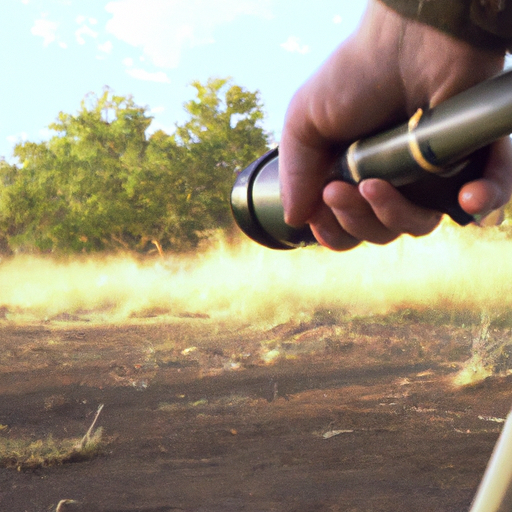
"Stay Alert and Stay Safe: Protect Yourself from Dangerous Wildlife in Survival Situations!"
Introduction
When you find yourself in a survival situation, it is important to be aware of the potential dangers posed by wildlife. Knowing how to protect yourself from dangerous wildlife can help you stay safe and increase your chances of survival. This guide will provide you with tips on how to protect yourself from dangerous wildlife in survival situations, including how to identify potential threats, how to avoid dangerous encounters, and what to do if you find yourself in a dangerous situation.
How to Identify Dangerous Wildlife in Survival Situations
In survival situations, it is important to be aware of the potential dangers posed by wildlife. Knowing how to identify dangerous wildlife can help you avoid potentially dangerous encounters and protect yourself and your loved ones.
The first step in identifying dangerous wildlife is to become familiar with the local species. Research the types of animals that are native to the area and learn about their behavior and habits. Knowing what to expect from the local wildlife can help you recognize when an animal is behaving abnormally or aggressively.
When you encounter wildlife, pay attention to its body language. Animals that are feeling threatened may display signs of aggression, such as snarling, growling, or baring their teeth. If an animal is displaying these behaviors, it is best to back away slowly and give it plenty of space.
In addition to body language, look for physical signs that an animal may be dangerous. Large predators such as bears, wolves, and mountain lions can be identified by their size and distinctive features. Other animals, such as venomous snakes, can be identified by their coloration and patterns.
Finally, be aware of the environment. If you are in an area where dangerous wildlife is known to inhabit, take extra precautions. Be sure to make noise when walking, carry bear spray, and avoid areas with fresh animal tracks or scat.
By familiarizing yourself with the local wildlife, paying attention to body language, and being aware of your environment, you can identify dangerous wildlife in survival situations and protect yourself and your loved ones.
What to Do if You Encounter Dangerous Wildlife in Survival Situations
If you find yourself in a survival situation and encounter dangerous wildlife, it is important to remain calm and take the necessary precautions to protect yourself. Here are some tips on how to handle such a situation:
1. Identify the animal. Knowing what type of animal you are dealing with is essential in order to determine the best course of action. If possible, observe the animal from a safe distance and take note of its size, color, and behavior.
2. Remain calm. Do not panic or make sudden movements, as this could agitate the animal and cause it to attack.
3. Make yourself appear larger. If the animal is a predator, try to make yourself appear larger by standing tall and spreading your arms. This may make the animal think twice about attacking.
4. Make noise. If the animal is a predator, make loud noises such as clapping your hands or shouting to scare it away.
5. Back away slowly. If the animal does not seem to be intimidated by your presence, slowly back away and try to put some distance between you and the animal.
6. Seek help. If the animal is still present and you are unable to scare it away, seek help from a professional or call for assistance.
By following these tips, you can help ensure your safety in the event of an encounter with dangerous wildlife in a survival situation.
How to Deter Dangerous Wildlife from Approaching You in Survival Situations
In survival situations, it is important to be aware of your surroundings and take steps to protect yourself from dangerous wildlife. While it is impossible to completely eliminate the risk of encountering dangerous wildlife, there are several strategies you can use to deter them from approaching you.
First, it is important to be aware of the types of wildlife that are present in the area. Knowing which animals are dangerous and which are not can help you to be prepared and take the necessary precautions.
Second, make sure to keep your distance from any wildlife you encounter. If you see an animal, do not approach it or try to interact with it. Instead, back away slowly and give the animal plenty of space.
Third, make noise when you are in the wilderness. This can help to alert any nearby wildlife to your presence and deter them from approaching you. You can do this by talking loudly, clapping your hands, or banging on objects.
Fourth, carry bear spray or other deterrents with you when you are in the wilderness. Bear spray is a non-lethal form of self-defense that can be used to deter bears and other large animals.
Finally, if you are camping in an area with dangerous wildlife, make sure to take the necessary precautions to protect yourself. This includes setting up a perimeter around your campsite, storing food away from your sleeping area, and avoiding areas where wildlife is known to frequent.
By following these tips, you can help to deter dangerous wildlife from approaching you in survival situations. Remember to always be aware of your surroundings and take the necessary steps to protect yourself.
What to Do if You Are Attacked by Dangerous Wildlife in Survival Situations
If you find yourself in a survival situation and are attacked by dangerous wildlife, it is important to remain calm and take the necessary steps to protect yourself.
First, assess the situation and determine the type of animal you are dealing with. If it is a large predator such as a bear or mountain lion, do not run away. Running may trigger the animal’s predatory instinct and cause it to attack. Instead, stand your ground and make yourself appear as large as possible by raising your arms and opening your jacket. Make loud noises and back away slowly.
If the animal is a smaller predator such as a fox or coyote, do not turn your back on it. Instead, make yourself appear as large as possible and make loud noises. Throw rocks or sticks in the animal’s direction to scare it away.
If the animal is a venomous snake, do not attempt to kill it. Instead, back away slowly and keep an eye on the snake until you are out of its striking range.
In all cases, it is important to remember that the goal is to scare the animal away, not to harm it. If you are able to safely retreat, do so immediately. If you are unable to retreat, stay calm and take the necessary steps to protect yourself.
How to Create a Safe Campsite to Avoid Dangerous Wildlife in Survival Situations
Creating a safe campsite in a survival situation is essential for avoiding dangerous wildlife. Taking the proper precautions can help ensure that you and your companions remain safe and secure. Here are some tips for creating a safe campsite in a survival situation:
1. Choose a site that is away from water sources, such as rivers, lakes, and streams. These areas are often frequented by larger animals, such as bears and moose, which can be dangerous.
2. Avoid camping in areas with dense vegetation. This can provide cover for predators, such as mountain lions and wolves.
3. Make sure to set up camp in an area that is visible from a distance. This will make it easier to spot any potential threats.
4. If possible, set up camp in an area that is already cleared. This will reduce the risk of encountering dangerous wildlife.
5. Make sure to keep all food and garbage stored in airtight containers and away from the campsite. This will help to reduce the risk of attracting predators.
6. If possible, set up a perimeter of rocks or logs around the campsite. This will help to deter any potential predators.
7. Make sure to keep a fire burning throughout the night. This will help to keep predators away.
8. If possible, set up a tripwire alarm system around the campsite. This will alert you to any potential threats.
By following these tips, you can help ensure that your campsite is safe and secure in a survival situation. Taking the proper precautions can help to reduce the risk of encountering dangerous wildlife.
What to Do if You Find Yourself Surrounded by Dangerous Wildlife in Survival Situations
If you find yourself surrounded by dangerous wildlife in a survival situation, it is important to remain calm and take the necessary steps to protect yourself.
First, assess the situation and identify the type of wildlife you are dealing with. If the animal is a large predator, such as a bear or a mountain lion, it is important to remain still and avoid making any sudden movements. Speak in a low, calm voice and slowly back away from the animal. Do not make direct eye contact, as this can be seen as a sign of aggression.
If the animal is a smaller predator, such as a fox or a coyote, it is important to make yourself appear larger. Stand tall, wave your arms, and make loud noises to scare the animal away. Do not run, as this may trigger the animal’s predatory instincts.
If the animal is a herbivore, such as a deer or a moose, it is important to remain still and avoid making any sudden movements. Speak in a low, calm voice and slowly back away from the animal. Do not make direct eye contact, as this can be seen as a sign of aggression.
In all cases, it is important to remember that the animal is likely more scared of you than you are of it. If you remain calm and take the necessary steps to protect yourself, you should be able to safely escape the situation.
How to Use Natural Resources to Protect Yourself from Dangerous Wildlife in Survival Situations
Survival in the wilderness can be a daunting task, especially when faced with dangerous wildlife. However, with the right knowledge and preparation, it is possible to protect yourself from potential threats. One of the most effective ways to do this is to use natural resources to your advantage. Here are some tips on how to use natural resources to protect yourself from dangerous wildlife in survival situations.
First, it is important to be aware of your surroundings and the potential threats that may be present. Look for signs of wildlife activity, such as tracks, droppings, or nests. If you come across any of these, it is best to avoid the area and find a safer place to camp.
Second, it is important to use natural resources to create a barrier between you and any potential threats. For example, you can use rocks, logs, or branches to create a makeshift fence around your campsite. This will help to keep out any large predators that may be lurking nearby.
Third, you can use natural resources to make noise and scare away any wildlife that may be nearby. For example, you can bang rocks together or make loud noises with sticks. This will help to alert any potential predators that you are in the area and will likely scare them away.
Finally, you can use natural resources to create a fire. A fire can be used to keep predators away and also provide warmth and light. It is important to make sure that the fire is kept small and contained, as large fires can attract unwanted attention.
By following these tips, you can use natural resources to protect yourself from dangerous wildlife in survival situations. It is important to remember to stay alert and aware of your surroundings, as well as to use natural resources to create a barrier between you and any potential threats. With the right knowledge and preparation, you can stay safe and secure in the wilderness.
Conclusion
In conclusion, protecting yourself from dangerous wildlife in survival situations is an important part of staying safe in the wilderness. By following the tips outlined in this article, you can reduce your risk of encountering dangerous wildlife and increase your chances of survival. Remember to stay alert, be aware of your surroundings, and carry bear spray or other deterrents if necessary. With the right knowledge and preparation, you can stay safe and enjoy the outdoors.