"Be Prepared: Build Your Bug-Out Vehicle for Emergency Evacuations!"
Introduction
If you are looking for a way to be prepared for any emergency situation, then building a bug-out vehicle is a great option. A bug-out vehicle is a vehicle that is designed to be used in an emergency evacuation. It is typically a vehicle that is equipped with supplies and equipment that can help you survive in the event of a disaster. In this guide, we will discuss the steps you need to take to build a bug-out vehicle that is reliable and capable of getting you to safety in an emergency. We will cover the types of vehicles that are best suited for bug-out purposes, the supplies and equipment you should include in your vehicle, and the modifications you can make to ensure your vehicle is ready for any situation.
What to Consider When Choosing a Vehicle for Your Bug-Out Plan
When choosing a vehicle for your bug-out plan, there are several important factors to consider.
First, you should consider the size of the vehicle. Depending on the size of your family and the amount of supplies you need to bring with you, you may need a larger vehicle such as an SUV or a van. If you are planning to bug-out alone, a smaller car may be sufficient.
Second, you should consider the fuel efficiency of the vehicle. If you are planning to bug-out over a long distance, you will need a vehicle that is fuel efficient and can travel long distances without needing to refuel.
Third, you should consider the terrain you will be travelling over. If you are planning to bug-out over rough terrain, you will need a vehicle that is capable of handling the terrain. You may need a vehicle with four-wheel drive or a vehicle with higher ground clearance.
Fourth, you should consider the cost of the vehicle. Depending on your budget, you may need to choose a more affordable vehicle.
Finally, you should consider the reliability of the vehicle. You will need a vehicle that is reliable and can handle the stress of a bug-out situation.
By considering these factors, you can choose the best vehicle for your bug-out plan.
How to Outfit Your Vehicle for Emergency Evacuations
In the event of an emergency evacuation, it is important to be prepared with the necessary supplies and equipment to ensure a safe and successful evacuation. Outfitting your vehicle for an emergency evacuation can help you to be prepared for any situation. Here are some tips for outfitting your vehicle for emergency evacuations.
1. Have a First Aid Kit: A first aid kit is essential for any emergency evacuation. Make sure to include items such as bandages, antiseptic wipes, gauze, and other medical supplies.
2. Have an Emergency Tool Kit: An emergency tool kit should include items such as a flashlight, a multi-tool, a tire repair kit, jumper cables, and a fire extinguisher.
3. Have a Spare Tire: Make sure to have a spare tire in your vehicle in case of a flat tire.
4. Have a Map: Have a map of the area you are evacuating from and the area you are evacuating to.
5. Have a Cell Phone Charger: Make sure to have a cell phone charger in your vehicle in case you need to make emergency calls.
6. Have Water and Non-Perishable Food: Have at least a few days’ worth of water and non-perishable food in your vehicle in case you are stuck in traffic or have to wait for a long period of time.
7. Have a Blanket: Have a blanket in your vehicle in case you need to stay warm.
8. Have a Change of Clothes: Have a change of clothes in your vehicle in case you need to change out of wet or dirty clothes.
By following these tips, you can be sure that you are prepared for any emergency evacuation. Make sure to check your supplies regularly and replace any items that are expired or damaged. Being prepared for an emergency evacuation can help to ensure your safety and the safety of those around you.
Essential Supplies to Pack in Your Bug-Out Vehicle
When preparing for an emergency, it is important to have a bug-out vehicle that is stocked with essential supplies. A bug-out vehicle is a vehicle that is used to evacuate quickly in the event of an emergency. It should be stocked with supplies that will help you survive and reach your destination safely. Here is a list of essential supplies to pack in your bug-out vehicle:
1. Water: Water is essential for survival and should be the first item you pack in your bug-out vehicle. Pack enough water for each person in your party, as well as extra for any unexpected needs.
2. Non-Perishable Food: Pack non-perishable food items such as canned goods, energy bars, and dried fruit. These items will provide you with the necessary nutrition and energy to reach your destination.
3. First Aid Kit: A first aid kit is essential for any emergency situation. Pack a comprehensive kit that includes bandages, antiseptic wipes, pain relievers, and other items that may be needed in an emergency.
4. Flashlight and Batteries: A flashlight and extra batteries are essential for navigating in the dark. Pack a flashlight and extra batteries in your bug-out vehicle in case of a power outage.
5. Maps and Compass: Pack a map of the area you are traveling to and a compass to help you navigate.
6. Fire Extinguisher: A fire extinguisher is essential for any emergency situation. Pack a fire extinguisher in your bug-out vehicle in case of a fire.
7. Tools: Pack a tool kit with items such as a hammer, screwdriver, pliers, and other items that may be needed in an emergency.
8. Extra Clothing: Pack extra clothing for each person in your party in case of an emergency.
9. Blankets: Pack extra blankets in case of cold weather or an unexpected overnight stay.
10. Cash: Pack extra cash in case of an emergency.
By packing these essential supplies in your bug-out vehicle, you will be prepared for any emergency situation. Be sure to check your supplies regularly and replace any items that may have expired.
Tips for Storing Your Bug-Out Vehicle in a Secure Location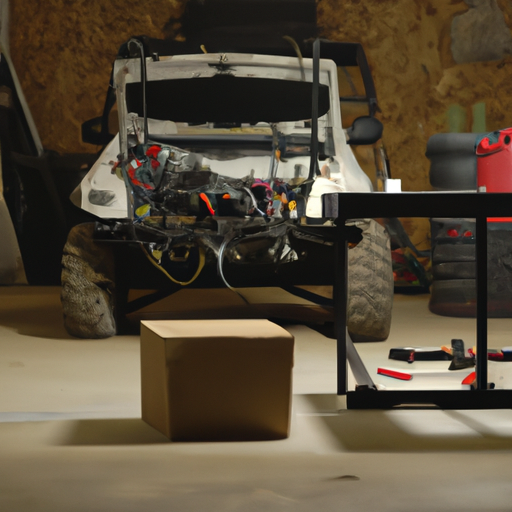
1. Choose a secure location: When selecting a location to store your bug-out vehicle, it is important to choose a secure location that is not easily accessible to the public. Consider a location that is well-lit and monitored by security cameras.
2. Invest in a quality lock: Investing in a quality lock is essential for protecting your bug-out vehicle from theft. Look for a lock that is made of hardened steel and is resistant to cutting and drilling.
3. Park in a garage: If possible, park your bug-out vehicle in a garage or other enclosed space. This will provide an extra layer of protection from the elements and potential thieves.
4. Install an alarm system: Installing an alarm system on your bug-out vehicle is a great way to deter potential thieves. Look for an alarm system that is equipped with motion sensors and a loud siren.
5. Cover the vehicle: Covering your bug-out vehicle with a tarp or other protective covering can help to keep it out of sight and deter potential thieves.
6. Use a tracking device: Installing a tracking device on your bug-out vehicle can help you to locate it in the event that it is stolen.
7. Keep the vehicle in good condition: Regularly maintaining your bug-out vehicle is essential for keeping it in good condition and ready for use. Make sure to check the oil, tires, and other components on a regular basis.
By following these tips, you can ensure that your bug-out vehicle is stored in a secure location and is ready for use when the time comes.
How to Prepare Your Vehicle for Long-Distance Travel
Preparing your vehicle for long-distance travel is essential for a safe and successful journey. Taking the time to check your vehicle before you leave can help you avoid costly repairs and breakdowns along the way. Here are some tips to help you get your vehicle ready for a long-distance trip.
1. Check your fluids. Make sure all of your vehicle’s fluids are at the proper levels. This includes oil, coolant, brake fluid, power steering fluid, and transmission fluid. If any of these fluids are low, top them off or have them replaced.
2. Check your tires. Make sure your tires are properly inflated and have enough tread. If your tires are worn, consider replacing them before you leave. Also, check your spare tire to make sure it is in good condition.
3. Check your brakes. Make sure your brakes are in good working order. Have them inspected by a professional if you are unsure.
4. Check your lights. Make sure all of your vehicle’s lights are working properly. This includes headlights, taillights, brake lights, and turn signals.
5. Check your battery. Make sure your battery is in good condition and has enough charge. If your battery is more than three years old, consider having it tested or replaced.
6. Check your belts and hoses. Make sure all of your vehicle’s belts and hoses are in good condition. If any of them are cracked or worn, have them replaced.
7. Check your filters. Make sure your air filter and fuel filter are clean and in good condition. If they are dirty or clogged, have them replaced.
By taking the time to check your vehicle before you leave, you can help ensure a safe and successful long-distance trip.
Strategies for Maintaining Your Bug-Out Vehicle
1. Regularly Check Fluids: Make sure to check the oil, coolant, brake, and transmission fluids regularly. This will help to ensure that your vehicle is running smoothly and efficiently.
2. Change the Oil: Change the oil every 3,000 to 5,000 miles, depending on the type of oil you use. This will help to keep your engine running smoothly and efficiently.
3. Check the Tires: Make sure to check the tire pressure and tread depth regularly. This will help to ensure that your vehicle is running safely and efficiently.
4. Check the Battery: Make sure to check the battery regularly. This will help to ensure that your vehicle is starting properly and efficiently.
5. Clean the Vehicle: Make sure to clean the interior and exterior of your vehicle regularly. This will help to keep your vehicle looking good and running efficiently.
6. Check the Lights: Make sure to check the headlights, taillights, and turn signals regularly. This will help to ensure that your vehicle is running safely and efficiently.
7. Check the Belts and Hoses: Make sure to check the belts and hoses regularly. This will help to ensure that your vehicle is running smoothly and efficiently.
8. Check the Brakes: Make sure to check the brakes regularly. This will help to ensure that your vehicle is running safely and efficiently.
9. Check the Filters: Make sure to check the air, fuel, and oil filters regularly. This will help to ensure that your vehicle is running smoothly and efficiently.
10. Store an Emergency Kit: Make sure to store an emergency kit in your vehicle. This will help to ensure that you are prepared for any unexpected situations.
How to Create a Bug-Out Plan for Your Vehicle
Creating a bug-out plan for your vehicle is an important step in ensuring your safety in the event of an emergency. A bug-out plan is a plan of action that outlines what you should do in the event of an emergency, such as a natural disaster or civil unrest. By having a plan in place, you can ensure that you and your family are prepared for any situation.
The first step in creating a bug-out plan for your vehicle is to make sure that your vehicle is in good working order. Make sure that your vehicle is regularly serviced and that all necessary repairs are made. Additionally, make sure that you have a full tank of gas and that you have a spare tire and other necessary supplies in the vehicle.
The next step is to create a list of items that you will need in the event of an emergency. This list should include items such as food, water, clothing, and any other items that you may need. Make sure to include items that will help you stay safe, such as a first aid kit, flashlights, and a map.
Once you have created your list of items, you should create a plan of action. This plan should include the route that you will take to get to your destination, as well as any alternate routes that you may need to take. Additionally, you should plan for any potential obstacles that you may encounter along the way.
Finally, you should make sure that you have a way to communicate with your family and friends in the event of an emergency. This could include a cell phone, a two-way radio, or a satellite phone. Make sure that you have a way to contact your family and friends in the event of an emergency.
By following these steps, you can ensure that you and your family are prepared for any emergency situation. Having a bug-out plan in place can help to ensure that you are safe and secure in the event of an emergency.
Conclusion
Building a bug-out vehicle for emergency evacuations is a great way to ensure that you and your family are prepared for any emergency situation. It is important to consider the type of vehicle you will need, the supplies you will need to store, and the modifications you will need to make to the vehicle. With careful planning and preparation, you can build a bug-out vehicle that will provide you with the necessary transportation and supplies to evacuate quickly and safely in the event of an emergency.


