"Be Prepared: Stock Your Bug-Out Bag with the Top 5 Foods for Survival!"
Introduction
When it comes to preparing for an emergency, having the right food in your bug-out bag is essential. The food you choose should be lightweight, non-perishable, and provide you with the necessary nutrients to keep you going. Here are the top 5 types of food to include in your bug-out bag: energy bars, dried fruit, nuts and seeds, jerky, and canned goods. Each of these foods provides essential nutrients and energy, and can be stored for long periods of time. With these foods in your bug-out bag, you can be sure that you will have the sustenance you need in an emergency.
The Benefits of Packing Non-Perishable Foods in Your Bug-Out Bag
Having a bug-out bag ready in case of an emergency is an important part of being prepared. One of the most important items to include in your bug-out bag is non-perishable food. Non-perishable foods are those that do not require refrigeration and can be stored for long periods of time without spoiling. Packing non-perishable foods in your bug-out bag has many benefits.
One of the main benefits of packing non-perishable foods in your bug-out bag is that they are easy to store and transport. Non-perishable foods come in a variety of forms, such as canned goods, dried fruits and nuts, and energy bars. These items are lightweight and can be easily packed into a bug-out bag. Additionally, they do not require any special storage conditions, so they can be stored for long periods of time without spoiling.
Another benefit of packing non-perishable foods in your bug-out bag is that they provide essential nutrients and energy. Non-perishable foods are typically high in carbohydrates, proteins, and fats, which are essential for providing energy and keeping your body functioning properly. Additionally, many non-perishable foods are fortified with vitamins and minerals, which can help to ensure that you are getting the nutrients you need.
Finally, packing non-perishable foods in your bug-out bag can help to save money. Non-perishable foods are typically much cheaper than perishable foods, so stocking up on them can help to save money in the long run. Additionally, since they can be stored for long periods of time, you can buy them in bulk and save even more money.
In conclusion, packing non-perishable foods in your bug-out bag is a great way to be prepared for an emergency. Non-perishable foods are easy to store and transport, provide essential nutrients and energy, and can help to save money. For these reasons, it is important to include non-perishable foods in your bug-out bag.
How to Choose the Right Foods for Your Bug-Out Bag
When preparing for an emergency, it is essential to have the right foods in your bug-out bag. The right foods can provide you with the energy and nutrition you need to survive in an emergency situation. Here are some tips to help you choose the right foods for your bug-out bag.
First, consider the shelf life of the food. Choose foods that have a long shelf life, such as canned goods, dried fruits, and nuts. These foods can last for months or even years without spoiling.
Second, think about the nutritional value of the food. Choose foods that are high in protein, carbohydrates, and healthy fats. These foods will provide you with the energy and nutrition you need to stay healthy and strong.
Third, consider the weight and size of the food. Choose foods that are lightweight and compact. This will make it easier to carry your bug-out bag and will also save space.
Fourth, think about the preparation time of the food. Choose foods that are easy to prepare and require minimal cooking time. This will save you time and energy in an emergency situation.
Finally, consider the taste of the food. Choose foods that you enjoy eating. This will make it easier to stay motivated and energized during an emergency.
By following these tips, you can ensure that you have the right foods in your bug-out bag. This will help you stay healthy and strong during an emergency situation.
The Best Types of Protein-Rich Foods to Include in Your Bug-Out Bag
When preparing a bug-out bag, it is important to include foods that are high in protein. Protein is essential for providing energy and helping to repair and build muscle. Here are some of the best types of protein-rich foods to include in your bug-out bag:
1. Canned Tuna: Canned tuna is a great source of protein and is easy to store in your bug-out bag. It is also high in omega-3 fatty acids, which are beneficial for heart health.
2. Nuts and Seeds: Nuts and seeds are a great source of protein and healthy fats. They are also easy to store and can provide a quick snack when you need it.
3. Dried Beans: Dried beans are a great source of protein and fiber. They are also easy to store and can be used in a variety of recipes.
4. Jerky: Jerky is a great source of protein and can be stored for a long time. It is also a great snack when you need a quick boost of energy.
5. Protein Bars: Protein bars are a great way to get a quick boost of protein. They are also easy to store and can provide a quick snack when you need it.
By including these types of protein-rich foods in your bug-out bag, you can ensure that you have the energy and nutrients you need to survive in an emergency situation.
The Pros and Cons of Freeze-Dried Foods for Your Bug-Out Bag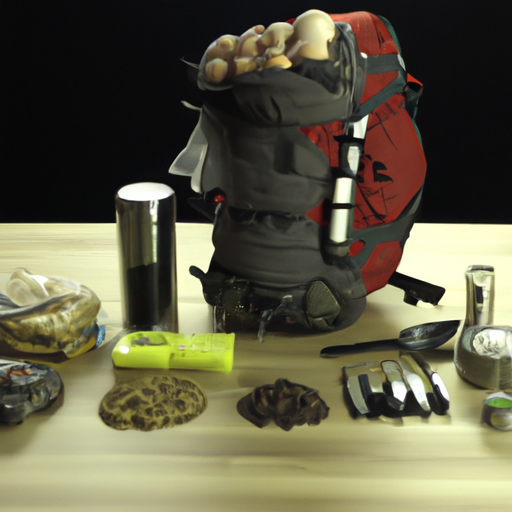
The idea of having a bug-out bag ready in case of an emergency is a smart one. It is important to make sure that the bag is stocked with the right items to ensure that you have the necessary supplies to survive. One option for stocking your bug-out bag is freeze-dried foods. Freeze-dried foods have both advantages and disadvantages that should be considered before deciding if they are the right choice for your bug-out bag.
The primary advantage of freeze-dried foods is their long shelf life. Freeze-dried foods can last for up to 25 years, making them an ideal choice for long-term storage. They are also lightweight and easy to transport, making them a great option for a bug-out bag. Freeze-dried foods are also easy to prepare, as they only require the addition of hot water.
On the other hand, freeze-dried foods can be expensive. They are also not as nutritious as fresh foods, as some of the nutrients are lost during the freeze-drying process. Additionally, freeze-dried foods can be bland and lack flavor, making them unappealing to some people.
In conclusion, freeze-dried foods can be a great option for stocking your bug-out bag. They have a long shelf life, are lightweight and easy to transport, and are easy to prepare. However, they can be expensive and lack flavor, and some of the nutrients are lost during the freeze-drying process. It is important to consider all of these factors before deciding if freeze-dried foods are the right choice for your bug-out bag.
The Top 5 Types of Food to Include in Your Bug-Out Bag
1. High-Energy Snacks: When you are on the move, it is important to have snacks that are high in energy and nutrition. Examples of these include energy bars, trail mix, jerky, and nuts. These snacks will provide you with the energy you need to keep going.
2. Canned Foods: Canned foods are a great option for your bug-out bag because they are lightweight and have a long shelf life. Examples of canned foods include tuna, beans, vegetables, and fruits. These foods are easy to prepare and can provide you with the nutrients you need.
3. Freeze-Dried Foods: Freeze-dried foods are lightweight and have a long shelf life. Examples of freeze-dried foods include fruits, vegetables, and meats. These foods are easy to prepare and can provide you with the nutrients you need.
4. Protein Bars: Protein bars are a great option for your bug-out bag because they are high in protein and can provide you with the energy you need. Examples of protein bars include granola bars, protein bars, and nut bars.
5. Dehydrated Foods: Dehydrated foods are lightweight and have a long shelf life. Examples of dehydrated foods include fruits, vegetables, and meats. These foods are easy to prepare and can provide you with the nutrients you need.
Including these five types of food in your bug-out bag will ensure that you have the energy and nutrition you need to survive in an emergency situation.
How to Pack Your Bug-Out Bag for Maximum Nutrition
Packing a bug-out bag for maximum nutrition is essential for any emergency situation. A bug-out bag is a bag that contains all the necessary items you need to survive in an emergency situation. It should include items such as food, water, shelter, and medical supplies. When packing your bug-out bag, it is important to consider the nutritional value of the items you are packing. Here are some tips for packing your bug-out bag for maximum nutrition.
First, pack a variety of non-perishable food items. Non-perishable food items are those that do not require refrigeration and have a long shelf life. Examples of non-perishable food items include canned goods, dried fruits and nuts, and energy bars. These items provide essential nutrients and calories that will help you stay energized and healthy during an emergency.
Second, pack a variety of protein sources. Protein is essential for maintaining muscle mass and providing energy. Examples of protein sources include canned tuna, jerky, and peanut butter.
Third, pack a variety of carbohydrates. Carbohydrates are the body’s main source of energy. Examples of carbohydrates include crackers, granola bars, and oatmeal.
Fourth, pack a variety of healthy fats. Healthy fats provide essential fatty acids and help to keep you full for longer periods of time. Examples of healthy fats include nuts, seeds, and nut butters.
Finally, pack a variety of vitamins and minerals. Vitamins and minerals are essential for maintaining good health and providing energy. Examples of vitamins and minerals include multivitamins, calcium, and iron.
By following these tips, you can ensure that your bug-out bag is packed with the necessary items to provide you with maximum nutrition in an emergency situation.
The Best Ways to Store Food in Your Bug-Out Bag for Long-Term Use
When preparing for a bug-out situation, it is important to consider the best ways to store food in your bug-out bag for long-term use. Having the right food storage solutions can make the difference between surviving and not in a disaster situation. Here are some tips for storing food in your bug-out bag for long-term use.
First, choose the right type of food. Non-perishable items such as canned goods, dried fruits, nuts, and jerky are ideal for long-term storage. These items can last for months or even years without spoiling. Additionally, it is important to choose foods that are high in calories and nutrition, as these will provide the most energy and sustenance in a survival situation.
Second, use airtight containers to store your food. This will help keep the food fresh and prevent it from spoiling. Plastic bags, mason jars, and vacuum-sealed bags are all good options for airtight storage. Additionally, it is important to label the containers with the date of purchase and expiration date so that you know when to replace the food.
Third, store the food in a cool, dry place. Heat and humidity can cause food to spoil quickly, so it is important to store it in a place that is not too hot or humid. Additionally, it is important to keep the food away from direct sunlight, as this can cause it to spoil faster.
Finally, rotate your food supply regularly. This means replacing older food with newer food so that you always have fresh, edible food in your bug-out bag. Additionally, it is important to check the expiration dates on the food regularly and discard any food that has expired.
By following these tips, you can ensure that your food supply is safe and ready for long-term use in a bug-out situation. With the right food storage solutions, you can be sure that you will have the sustenance you need to survive in a disaster.
Conclusion
In conclusion, the top 5 types of food to include in your bug-out bag are high-calorie snacks, energy bars, canned goods, freeze-dried meals, and MREs. These foods are easy to store, have a long shelf life, and provide essential nutrients and energy. They are also lightweight and easy to transport, making them ideal for emergency situations. With these five types of food, you can ensure that you have the necessary sustenance to survive in any emergency situation.