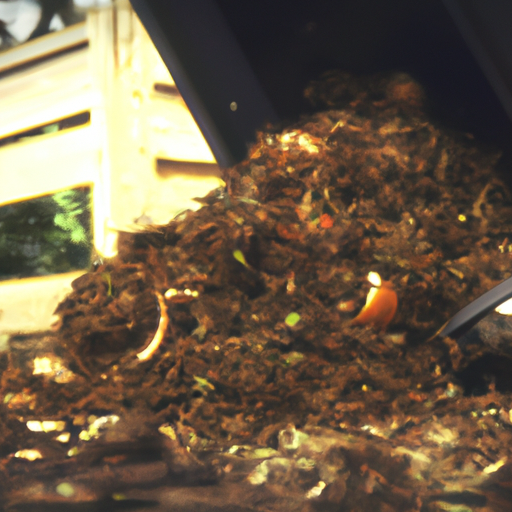
"Grow a Greener Future with Composting in Your Backyard!"
Introduction
Composting is an easy and effective way to reduce your environmental footprint while also providing your garden with nutrient-rich soil. Composting in your backyard can help reduce the amount of waste that goes to landfills, reduce the need for chemical fertilizers, and provide your plants with essential nutrients. It can also help reduce water usage and improve soil structure. In this article, we will discuss the benefits of composting in your backyard and how to get started.
How to Get Started with Composting in Your Backyard
Composting is an excellent way to reduce waste and create nutrient-rich soil for your garden. It is a simple process that can be done in your own backyard. Here are some tips to get you started.
1. Choose a location. Select a spot in your backyard that is away from your house and has good drainage. Make sure the area is in the sun for at least part of the day.
2. Prepare the area. Clear the area of any debris and weeds. If you are using a bin, make sure it is in a level spot.
3. Gather materials. You will need organic materials such as leaves, grass clippings, vegetable scraps, and coffee grounds. You can also add manure from chickens, rabbits, or horses.
4. Start composting. Layer the materials in the bin or pile. Make sure to mix the materials and add water to keep them moist.
5. Turn the compost. Turn the compost every few weeks to aerate it and help it break down faster.
6. Monitor the compost. Check the compost regularly to make sure it is not too wet or dry.
7. Harvest the compost. When the compost is dark and crumbly, it is ready to be used in your garden.
Composting is a great way to reduce waste and create nutrient-rich soil for your garden. With a little bit of effort, you can easily get started composting in your own backyard.
The Benefits of Composting for Your Garden and Soil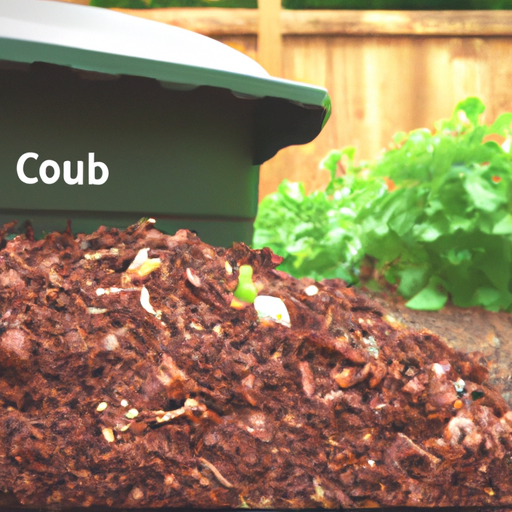
Composting is an effective and natural way to improve the health of your garden and soil. It is a process of breaking down organic matter, such as leaves, grass clippings, and food scraps, into a nutrient-rich soil amendment. Composting can provide numerous benefits to your garden and soil, including improved soil structure, increased water retention, and increased fertility.
One of the primary benefits of composting is improved soil structure. Compost helps to break up clay soils, making them more porous and allowing for better water and air circulation. It also helps to bind sandy soils, improving their ability to retain water and nutrients. Compost also helps to reduce soil compaction, which can lead to better root growth and healthier plants.
Compost also helps to increase water retention in the soil. Compost helps to create a spongy soil structure that can absorb and hold more water. This can be especially beneficial during periods of drought, as it can help to reduce the need for frequent watering.
Compost also helps to increase soil fertility. Compost is rich in essential nutrients, such as nitrogen, phosphorus, and potassium, which are essential for healthy plant growth. Compost also helps to improve the soil’s ability to retain these nutrients, making them available to plants for longer periods of time.
Finally, composting can help to reduce the amount of waste that is sent to landfills. By composting organic matter, you can reduce the amount of waste that is sent to landfills and help to reduce the amount of greenhouse gases that are released into the atmosphere.
Composting is an effective and natural way to improve the health of your garden and soil. It can provide numerous benefits, including improved soil structure, increased water retention, and increased fertility. By composting organic matter, you can reduce the amount of waste that is sent to landfills and help to reduce the amount of greenhouse gases that are released into the atmosphere.
The Different Types of Composting and Which is Best for Your Backyard
Composting is an excellent way to reduce waste and create nutrient-rich soil for your backyard garden. There are several different types of composting, each with its own advantages and disadvantages. Understanding the different types of composting can help you decide which is best for your backyard.
The first type of composting is cold composting. Cold composting is the simplest and least labor-intensive method of composting. It involves simply piling organic materials such as leaves, grass clippings, and vegetable scraps in a pile and allowing them to decompose over time. This method is best for those who don’t have the time or energy to actively manage their compost pile.
The second type of composting is hot composting. Hot composting requires more effort than cold composting, but it produces compost much faster. This method involves actively managing the compost pile by turning it regularly and adding water and air to speed up the decomposition process. Hot composting is best for those who want to produce compost quickly and don’t mind putting in the extra effort.
The third type of composting is vermicomposting. Vermicomposting involves using worms to break down organic materials. This method is best for those who want to produce compost quickly and don’t mind having worms in their backyard.
The fourth type of composting is bokashi composting. Bokashi composting is a relatively new method of composting that uses beneficial microbes to break down organic materials. This method is best for those who want to produce compost quickly and don’t mind having beneficial microbes in their backyard.
The fifth type of composting is anaerobic composting. Anaerobic composting is a method of composting that does not require oxygen. This method is best for those who want to produce compost quickly and don’t mind having anaerobic bacteria in their backyard.
Ultimately, the best type of composting for your backyard depends on your needs and preferences. Cold composting is the simplest and least labor-intensive method, while hot composting produces compost quickly. Vermicomposting, bokashi composting, and anaerobic composting are all faster methods, but require more effort and may involve having worms or bacteria in your backyard. Consider your needs and preferences before deciding which type of composting is best for your backyard.
How to Make Compost Tea and Use it to Fertilize Your Garden
Compost tea is a liquid fertilizer made from compost that can be used to nourish your garden. It is a simple and natural way to provide your plants with the nutrients they need to thrive. Making and using compost tea is a great way to reduce your environmental impact and save money on expensive fertilizers.
To make compost tea, you will need a five-gallon bucket, a burlap sack, compost, and water. Begin by filling the bucket with water and adding the compost to the burlap sack. Place the sack in the bucket and let it steep for 24 hours. After 24 hours, remove the sack and discard it. The tea is now ready to use.
To use the compost tea, you can either water it directly onto the soil or use a spray bottle to mist the leaves of your plants. If you are using a spray bottle, make sure to dilute the tea with an equal amount of water. Compost tea should be applied every two weeks during the growing season.
Compost tea is an excellent way to provide your plants with the nutrients they need to thrive. It is easy to make and use, and it is a great way to reduce your environmental impact and save money on expensive fertilizers. With a little bit of effort, you can have a healthy and vibrant garden.