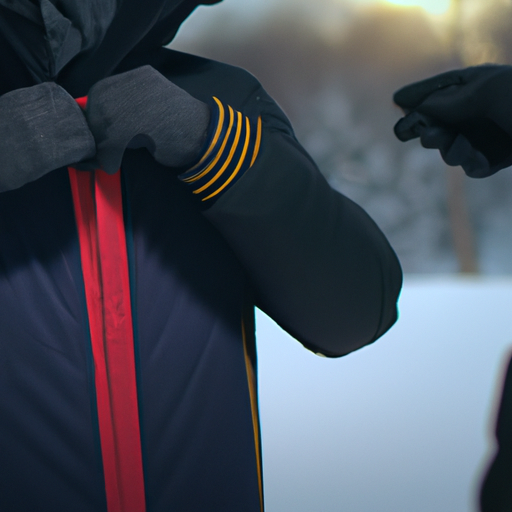
"Stay Warm and Protected - Layer Up!"
Introduction
Layering clothing is a great way to stay warm and protected in cold weather. It allows you to adjust your clothing to the changing temperatures and conditions. Layering clothing also helps to keep you dry and comfortable, as well as providing extra insulation. In this article, we will discuss the basics of layering clothing for maximum warmth and protection. We will cover the types of clothing to layer, the order in which to layer them, and tips for layering in different climates. With the right knowledge and preparation, you can stay warm and protected in any weather.
How to Layer Clothing for Maximum Warmth and Protection in Cold Weather
When the temperatures drop, it is important to layer clothing for maximum warmth and protection. Layering clothing is an effective way to stay warm and comfortable in cold weather. Here are some tips for layering clothing for maximum warmth and protection in cold weather.
First, start with a base layer. This layer should be made of a material that is lightweight and breathable, such as merino wool or synthetic fabrics. This layer should fit snugly against your skin to help keep you warm and wick away moisture.
Next, add a mid-layer. This layer should be made of a thicker material, such as fleece or wool. This layer should be slightly looser than the base layer to allow for air circulation and to trap heat.
Finally, add an outer layer. This layer should be made of a waterproof and windproof material, such as a waterproof jacket or coat. This layer should be loose enough to allow for air circulation, but tight enough to keep out the wind and rain.
Layering clothing is an effective way to stay warm and comfortable in cold weather. By following these tips, you can ensure that you are properly layered for maximum warmth and protection.
Tips for Layering Clothing to Keep You Warm and Protected in Winter
1. Start with a Base Layer: The base layer is the foundation of your winter wardrobe. Choose a base layer made of a material that will keep you warm and dry, such as wool or synthetic fabrics. This layer should fit snugly against your skin to help trap your body heat.
2. Add an Insulating Layer: The insulating layer is designed to keep you warm by trapping air between the fibers of the fabric. Choose a material such as down, fleece, or synthetic insulation. This layer should fit loosely to allow air to circulate and keep you warm.
3. Add a Protective Layer: The protective layer is designed to protect you from the elements. Choose a waterproof and windproof material such as Gore-Tex or nylon. This layer should fit loosely to allow air to circulate and keep you dry.
4. Add Accessories: Accessories such as hats, scarves, and gloves can help keep you warm and protected in winter. Choose materials such as wool or synthetic fabrics to help trap your body heat.
5. Layer Up: Layering your clothing is the key to staying warm and protected in winter. Start with a base layer, add an insulating layer, and then a protective layer. Add accessories such as hats, scarves, and gloves to complete your winter wardrobe.
The Benefits of Layering Clothing for Cold Weather Protection
Layering clothing is an effective way to protect yourself from cold weather. Layering clothing helps to trap heat and keep the body warm. It also allows for flexibility in adjusting to changing temperatures. By layering clothing, you can add or remove layers as needed to maintain a comfortable temperature.
Layering clothing starts with a base layer. This layer should be made of a material that is lightweight and breathable, such as wool or synthetic fabrics. The base layer should fit snugly against the skin to help trap heat and wick away moisture. This layer should be worn next to the skin to provide insulation and keep the body warm.
The next layer should be an insulating layer. This layer should be made of a material that is thicker and warmer than the base layer. This layer should be loose-fitting to allow for air circulation and to trap heat. Examples of materials for this layer include fleece, wool, and down.
The outer layer should be a waterproof and windproof layer. This layer should be made of a material that is waterproof and windproof, such as nylon or Gore-Tex. This layer should be loose-fitting to allow for air circulation and to trap heat. This layer should also be breathable to allow for moisture to escape.
Layering clothing is an effective way to protect yourself from cold weather. By layering clothing, you can adjust to changing temperatures and maintain a comfortable temperature. The base layer should be lightweight and breathable, the insulating layer should be thicker and warmer, and the outer layer should be waterproof and windproof. Layering clothing is an effective way to stay warm and comfortable in cold weather.
How to Layer Clothing for Maximum Comfort and Protection in Winter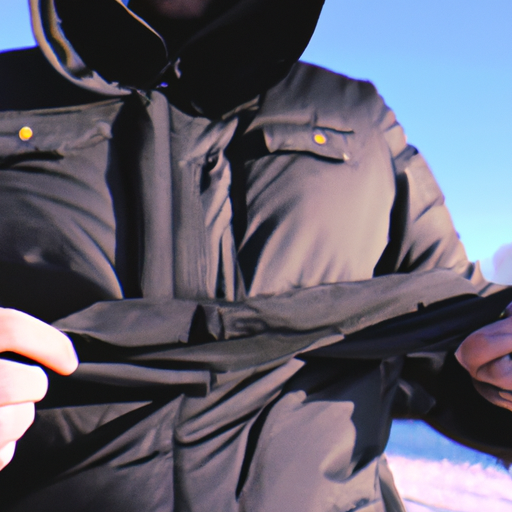
Winter is a time of year when the temperatures drop and the days become shorter. It is important to layer clothing in order to stay warm and comfortable during this season. Layering clothing can also provide protection from the elements, such as wind and rain. Here are some tips for layering clothing for maximum comfort and protection in winter.
First, start with a base layer. This layer should be made of a material that is lightweight and breathable, such as wool or synthetic fabrics. This layer should fit snugly against the skin to help keep you warm.
Next, add a mid-layer. This layer should be thicker than the base layer and should provide insulation. Fleece, wool, and down are all good choices for this layer.
Finally, add an outer layer. This layer should be waterproof and windproof to protect you from the elements. A coat or jacket made of a waterproof material, such as Gore-Tex, is ideal.
Layering clothing is an effective way to stay warm and comfortable in winter. By following these tips, you can ensure that you are protected from the elements and remain comfortable in cold weather.
The Best Fabrics for Layering Clothing for Maximum Warmth and Protection
Layering clothing is an effective way to stay warm and protected in cold weather. The key to successful layering is choosing the right fabrics. Here are some of the best fabrics for layering clothing for maximum warmth and protection:
1. Wool: Wool is a natural fiber that is highly insulating and breathable. It is also water-resistant, making it an ideal choice for layering. Wool is a great choice for sweaters, jackets, and other outerwear.
2. Fleece: Fleece is a synthetic fabric that is lightweight and warm. It is also highly breathable and wicks away moisture, making it a great choice for layering. Fleece is a great choice for sweaters, jackets, and other outerwear.
3. Down: Down is a natural material that is highly insulating and lightweight. It is also water-resistant, making it an ideal choice for layering. Down is a great choice for jackets and other outerwear.
4. Synthetic Insulation: Synthetic insulation is a synthetic fabric that is lightweight and warm. It is also highly breathable and wicks away moisture, making it a great choice for layering. Synthetic insulation is a great choice for jackets and other outerwear.
5. Merino Wool: Merino wool is a natural fiber that is highly insulating and breathable. It is also water-resistant, making it an ideal choice for layering. Merino wool is a great choice for sweaters, jackets, and other outerwear.
By choosing the right fabrics for layering clothing, you can stay warm and protected in cold weather. Wool, fleece, down, synthetic insulation, and merino wool are all great choices for layering clothing for maximum warmth and protection.
How to Layer Clothing for Maximum Warmth and Protection in Rainy Weather
Layering clothing is an effective way to stay warm and dry in rainy weather. By wearing multiple layers of clothing, you can create a barrier between your skin and the elements. Here are some tips for layering clothing for maximum warmth and protection in rainy weather.
First, start with a base layer. This should be a thin, moisture-wicking material such as polyester or merino wool. This layer will help keep your skin dry and warm by wicking away sweat and moisture.
Next, add a mid-layer. This layer should be thicker than the base layer and should be made of a material that will keep you warm, such as fleece or wool. This layer will help to trap heat and keep you warm.
Finally, add an outer layer. This layer should be waterproof and windproof. A good option is a waterproof jacket or raincoat. This layer will protect you from the rain and wind and keep you dry.
When layering clothing for rainy weather, it is important to remember to dress in layers. This will help to keep you warm and dry and will also allow you to adjust your clothing as the weather changes. Additionally, make sure to wear a hat and gloves to protect your head and hands from the elements.
By following these tips, you can stay warm and dry in rainy weather. Layering clothing is an effective way to protect yourself from the elements and stay comfortable.
The Best Layering Techniques for Maximum Warmth and Protection in Cold Weather
When it comes to staying warm and protected in cold weather, layering is key. Layering your clothing is an effective way to trap heat and keep your body temperature regulated. Here are some of the best layering techniques for maximum warmth and protection in cold weather.
First, start with a base layer. This layer should be made of a material that is lightweight and breathable, such as merino wool or synthetic fabrics. This layer should fit snugly against your skin to help wick away moisture and keep you dry.
Next, add a mid-layer. This layer should be thicker than the base layer and should provide insulation. Fleece, wool, and down are all good options for this layer.
Finally, add an outer layer. This layer should be waterproof and windproof to protect you from the elements. A waterproof jacket or coat is ideal for this layer.
When layering, it’s important to remember to dress in layers that can be easily removed or added as needed. This will help you regulate your body temperature and stay comfortable in any weather.
By following these layering techniques, you can ensure maximum warmth and protection in cold weather. With the right layers, you can stay warm and dry no matter what the weather brings.
Conclusion
Layering clothing is an effective way to stay warm and protected in cold weather. By wearing multiple layers of clothing, you can trap heat and block out wind and moisture. Start with a base layer of lightweight, breathable fabric, then add a mid-layer of insulating fabric, and finally a waterproof outer layer. With the right combination of layers, you can stay warm and dry in any weather.