"Be Ready: Prepare Your Home for Any Emergency Situation!"
Introduction
Preparing your home for an emergency situation is an important step in ensuring the safety of your family and property. Emergencies can range from natural disasters such as floods, hurricanes, and earthquakes, to man-made disasters such as fires, chemical spills, and terrorist attacks. No matter what type of emergency you may face, it is important to be prepared. This guide will provide you with tips on how to prepare your home for an emergency situation.
How to Create an Emergency Plan for Your Home
Creating an emergency plan for your home is an important step in ensuring the safety of your family in the event of an emergency. By taking the time to plan ahead, you can help ensure that your family is prepared for any situation.
The first step in creating an emergency plan is to identify potential risks in your area. Consider the types of disasters that could occur in your area, such as floods, fires, or earthquakes. Once you have identified the potential risks, you can begin to create a plan to address them.
The next step is to create an emergency contact list. This list should include the names and contact information of family members, friends, and neighbors who can help in an emergency. It is also important to include the contact information for local emergency services, such as the police, fire department, and hospital.
Once you have created an emergency contact list, you should create an evacuation plan. This plan should include the routes you will take to evacuate your home in the event of an emergency. It is important to practice the evacuation plan with your family so that everyone is familiar with the routes and knows what to do in the event of an emergency.
You should also create a communication plan. This plan should include a designated meeting place for family members in the event of an emergency. It is also important to have a plan for how family members will communicate with each other in the event of an emergency.
Finally, you should create a supply kit. This kit should include items such as food, water, flashlights, and first aid supplies. It is important to store the kit in a safe and accessible location.
By taking the time to create an emergency plan for your home, you can help ensure that your family is prepared for any situation. By following these steps, you can help ensure that your family is safe and secure in the event of an emergency.
What Supplies Should You Have on Hand for an Emergency?
In the event of an emergency, it is important to have certain supplies on hand. These supplies should include items that can help you survive and stay safe.
First, you should have a first aid kit. This should include items such as bandages, gauze, antiseptic wipes, and other medical supplies. It is also important to have a supply of any medications you may need, such as prescription drugs or over-the-counter medications.
Second, you should have a supply of food and water. This should include non-perishable items such as canned goods, dried fruits, and nuts. You should also have a supply of bottled water, as well as a way to purify water if necessary.
Third, you should have a way to communicate with the outside world. This could include a cell phone, a radio, or a satellite phone.
Fourth, you should have a way to stay warm. This could include blankets, sleeping bags, and extra clothing.
Finally, you should have a way to protect yourself. This could include a firearm, pepper spray, or a knife.
Having these supplies on hand can help you survive and stay safe in the event of an emergency. It is important to make sure that these supplies are stored in a safe and secure place.
How to Stock Up on Non-Perishable Food Items for an Emergency
In the event of an emergency, it is important to have a supply of non-perishable food items on hand. Non-perishable food items are those that do not require refrigeration and can be stored for long periods of time without spoiling. Having a supply of these items can help ensure that you and your family have access to food in the event of an emergency.
When stocking up on non-perishable food items, it is important to consider the shelf life of the items. Canned goods, for example, typically have a shelf life of two to five years. It is also important to consider the nutritional value of the items you are purchasing. Look for items that are high in protein, fiber, and other essential nutrients.
When purchasing non-perishable food items, it is important to buy items that you and your family will actually eat. Consider purchasing items that are easy to prepare and require minimal cooking. Canned soups, stews, and chili are all good options. You may also want to consider purchasing items such as peanut butter, canned fruits and vegetables, and dried beans.
When storing non-perishable food items, it is important to keep them in a cool, dry place. Avoid storing them in direct sunlight or in areas that are prone to moisture. It is also important to check the expiration dates on the items and rotate them regularly.
Finally, it is important to have a plan in place for how you will use the items in the event of an emergency. Consider creating a list of items that you have on hand and how you will use them. This will help ensure that you are prepared in the event of an emergency.
Stocking up on non-perishable food items is an important part of emergency preparedness. By following these tips, you can ensure that you and your family have access to food in the event of an emergency.
How to Prepare Your Home for a Natural Disaster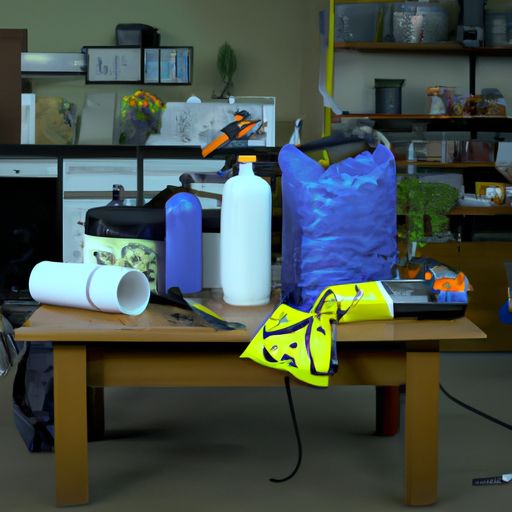
Preparing your home for a natural disaster is an important step in ensuring the safety of your family and property. Taking the time to plan ahead and make necessary preparations can help minimize the damage caused by a natural disaster. Here are some tips to help you prepare your home for a natural disaster:
1. Create an emergency plan. Make sure everyone in your household knows what to do in the event of a natural disaster. This includes where to go, how to contact each other, and what supplies to take.
2. Secure your home. Make sure your home is structurally sound and secure. Check for any weak points in the walls, roof, or foundation that could be vulnerable to damage.
3. Stock up on supplies. Have a supply of food, water, and other essential items on hand in case of an emergency. Make sure to include items such as flashlights, batteries, and a first aid kit.
4. Protect your windows. Install storm shutters or impact-resistant windows to protect your home from flying debris.
5. Prepare your yard. Trim trees and shrubs to reduce the risk of them being uprooted or damaged in a storm.
6. Have an evacuation plan. Know the safest route to take in case you need to evacuate your home. Make sure everyone in your household is familiar with the plan.
By taking the time to prepare your home for a natural disaster, you can help ensure the safety of your family and property.
How to Make Sure Your Home is Ready for a Power Outage
Power outages can be inconvenient and even dangerous, so it is important to make sure your home is prepared for them. Here are some steps you can take to ensure your home is ready for a power outage:
1. Have an emergency kit. Make sure you have a kit that includes items such as flashlights, batteries, a first aid kit, and non-perishable food items.
2. Have an alternate power source. Invest in a generator or other alternate power source that can provide electricity during a power outage.
3. Have a backup plan. Make sure you have a plan for how you will stay safe and comfortable during a power outage. This could include having a plan for how you will cook food, stay warm, and stay in contact with family and friends.
4. Have a communication plan. Make sure you have a plan for how you will stay in contact with family and friends during a power outage. This could include having a list of emergency contacts and a way to communicate with them, such as a cell phone or two-way radio.
5. Have a plan for your electronics. Make sure you have a plan for how you will protect your electronics during a power outage. This could include unplugging them or using surge protectors.
By following these steps, you can make sure your home is prepared for a power outage. This will help ensure that you and your family stay safe and comfortable during a power outage.
How to Secure Your Home Against Intruders During an Emergency
In an emergency, it is important to take steps to secure your home against intruders. Taking the time to prepare your home for an emergency can help protect your family and your possessions. Here are some tips to help you secure your home against intruders during an emergency.
1. Install Security Devices: Installing security devices such as motion-sensor lights, security cameras, and alarm systems can help deter intruders. Make sure to test these devices regularly to ensure they are working properly.
2. Lock All Doors and Windows: Make sure all doors and windows are locked when you are not home. If you are leaving your home for an extended period of time, consider installing additional locks on your doors and windows.
3. Secure Valuables: Make sure to secure any valuable items in your home. Consider storing them in a safe or other secure location.
4. Install Window Bars: Installing window bars can help prevent intruders from entering your home through windows. Make sure to install window bars that are strong and durable.
5. Install a Security System: Installing a security system can help alert you to any intruders in your home. Make sure to choose a system that is reliable and easy to use.
6. Have a Plan: Make sure to have a plan in place in case of an emergency. Make sure everyone in your family knows what to do in case of an intruder.
By following these tips, you can help secure your home against intruders during an emergency. Taking the time to prepare your home for an emergency can help protect your family and your possessions.
How to Prepare Your Home for a Fire Emergency
In the event of a fire emergency, it is important to be prepared. Taking the time to prepare your home for a fire emergency can help ensure the safety of your family and property. Here are some steps you can take to prepare your home for a fire emergency.
1. Install smoke alarms and carbon monoxide detectors. Smoke alarms and carbon monoxide detectors should be installed on every level of your home, including the basement. Test the alarms regularly to ensure they are working properly.
2. Create an evacuation plan. Make sure everyone in your household knows the evacuation plan and practice it regularly. Make sure to designate a meeting place outside of the home in case of an emergency.
3. Keep fire extinguishers in strategic locations. Fire extinguishers should be placed in areas of the home that are prone to fires, such as the kitchen and garage. Make sure everyone in the household knows how to use a fire extinguisher.
4. Keep flammable items away from heat sources. Make sure to keep flammable items such as paper, fabric, and cleaning supplies away from heat sources such as stoves and space heaters.
5. Have an emergency kit. Make sure to have an emergency kit that includes items such as flashlights, a first aid kit, and a list of emergency contacts.
By taking the time to prepare your home for a fire emergency, you can help ensure the safety of your family and property.
Conclusion
Preparing your home for an emergency situation is an important step in ensuring the safety of your family and property. By taking the time to create an emergency plan, stock up on supplies, and make sure your home is secure, you can be better prepared for any emergency situation that may arise. With a little bit of preparation, you can help ensure that your family is safe and secure in the event of an emergency.