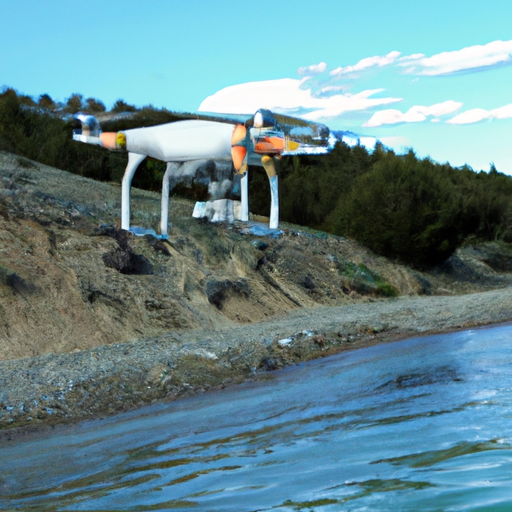
"Find them faster with a drone: Search and Rescue in remote areas made easier."
Introduction
Search and rescue operations in remote areas can be a difficult and dangerous task. However, the use of drones in search and rescue operations has revolutionized the way these operations are conducted. Drones are able to provide a unique perspective and access to areas that would otherwise be inaccessible or too dangerous for humans to enter. They can also provide real-time data and imagery to help search and rescue teams locate and rescue victims quickly and safely. This article will discuss the advantages of using drones for search and rescue in remote areas, as well as the challenges and potential risks associated with this technology.
How Drones are Revolutionizing Search and Rescue in Remote Areas
Search and rescue operations in remote areas have long been a challenge for emergency responders. Traditional methods of locating missing persons in these areas often involve long and arduous searches, often with limited success. However, the advent of drone technology has revolutionized the way search and rescue operations are conducted in remote areas.
Drones are unmanned aerial vehicles (UAVs) that are equipped with cameras and sensors. They are capable of flying autonomously and can be used to survey large areas quickly and efficiently. This makes them ideal for search and rescue operations in remote areas, where traditional methods of searching can be slow and inefficient.
Drones can be used to survey large areas quickly and accurately. They can be programmed to fly in predetermined patterns, allowing them to cover a large area in a short amount of time. This makes them ideal for locating missing persons in remote areas, as they can cover a much larger area than traditional search methods.
Drones are also equipped with advanced sensors and cameras that can detect heat signatures and other signs of life. This makes them ideal for locating missing persons in remote areas, as they can detect signs of life that may not be visible to the naked eye.
Finally, drones can be used to deliver supplies to remote areas. This can be invaluable in search and rescue operations, as it allows emergency responders to deliver supplies to those in need quickly and efficiently.
In conclusion, drones are revolutionizing search and rescue operations in remote areas. They are capable of surveying large areas quickly and accurately, and can detect signs of life that may not be visible to the naked eye. Additionally, they can be used to deliver supplies to those in need quickly and efficiently. As such, drones are an invaluable tool for emergency responders in remote areas.
The Benefits of Using Drones for Search and Rescue in Remote Areas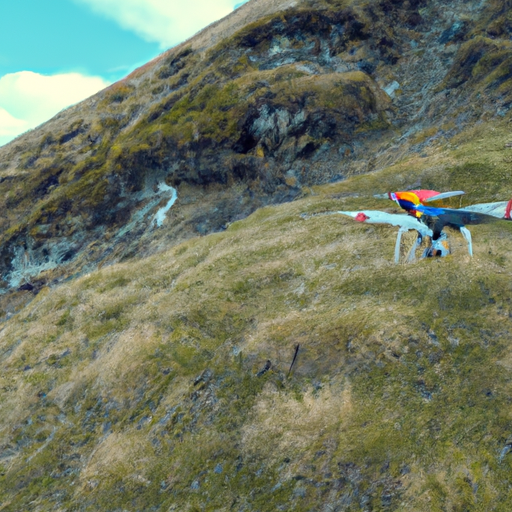
Search and rescue operations in remote areas can be extremely challenging and dangerous for personnel. The use of drones in search and rescue operations can provide a safer and more efficient way to locate and rescue people in remote areas.
Drones are unmanned aerial vehicles (UAVs) that are equipped with cameras and sensors. They can be used to survey large areas quickly and accurately, and can be deployed in areas that are difficult or dangerous for personnel to access. Drones can be used to search for missing persons, assess the terrain, and provide real-time information to search and rescue teams.
The use of drones in search and rescue operations can provide a number of benefits. Drones can cover large areas quickly and accurately, allowing search and rescue teams to locate missing persons more quickly. They can also provide real-time information to search and rescue teams, allowing them to make informed decisions about the best course of action. Drones can also be used to assess the terrain, allowing search and rescue teams to plan their operations more effectively.
In addition, drones can be used to provide assistance to search and rescue teams in remote areas. Drones can be used to deliver supplies, such as food, water, and medical supplies, to search and rescue teams in remote areas. They can also be used to transport personnel to and from remote areas, allowing search and rescue teams to respond more quickly to emergencies.
The use of drones in search and rescue operations can provide a safer and more efficient way to locate and rescue people in remote areas. Drones can cover large areas quickly and accurately, provide real-time information to search and rescue teams, and deliver supplies and personnel to remote areas. The use of drones in search and rescue operations can help to save lives and reduce the risk to personnel.
The Challenges of Using Drones for Search and Rescue in Remote Areas
Search and rescue operations in remote areas can be extremely challenging due to the lack of access to resources and the difficulty of navigating the terrain. The use of drones has the potential to revolutionize search and rescue operations in these areas, but there are several challenges that must be addressed before this technology can be effectively utilized.
One of the primary challenges of using drones for search and rescue in remote areas is the lack of communication infrastructure. In order to effectively use drones, there must be a reliable way to communicate with the drone and receive data from it. In remote areas, this can be difficult due to the lack of cell towers and other communication infrastructure. Additionally, the terrain in remote areas can be difficult to navigate, making it difficult for drones to reach their destination.
Another challenge is the limited battery life of drones. Drones typically have a limited flight time, which can be a problem in remote areas where search and rescue operations may take longer than expected. Additionally, the weather in remote areas can be unpredictable, making it difficult to plan for the best time to launch a drone.
Finally, the cost of using drones for search and rescue operations in remote areas can be prohibitively expensive. Drones are not cheap, and the cost of maintaining them can be high. Additionally, the cost of training personnel to operate the drones can be significant.
Despite these challenges, the use of drones for search and rescue operations in remote areas has the potential to revolutionize the way these operations are conducted. With the right infrastructure and training, drones can be used to quickly and efficiently locate missing persons in remote areas.
Conclusion
In conclusion, using a drone for search and rescue in remote areas is a great way to quickly and efficiently locate missing persons or objects. Drones are able to cover large areas quickly and can be equipped with cameras and sensors to help locate people or objects. They are also relatively inexpensive and easy to operate, making them an ideal tool for search and rescue operations in remote areas.