"Stay Alive with Clean Water: Purify Water in a Survival Situation!"
Introduction
In a survival situation, having access to clean and safe drinking water is essential for your health and well-being. Unfortunately, in many cases, the water available may be contaminated with bacteria, viruses, and other contaminants. Fortunately, there are several methods you can use to purify water in a survival situation. In this article, we will discuss the different methods of purifying water, including boiling, filtration, chemical treatment, and ultraviolet light. We will also discuss the pros and cons of each method and provide tips on how to make sure your water is safe to drink.
How to Purify Water in a Survival Situation: A Step-by-Step Guide
1. Boiling: Boiling is one of the most effective ways to purify water in a survival situation. To do this, bring the water to a rolling boil for at least one minute. This will kill any bacteria, viruses, and parasites that may be present in the water.
2. Filtration: Filtration is another effective way to purify water. You can use a filter straw, a water filter bottle, or a water filter pump to remove bacteria, viruses, and parasites from the water.
3. Chemical Treatment: Chemical treatment is another way to purify water. You can use chlorine tablets, iodine tablets, or water purification drops to kill any bacteria, viruses, and parasites that may be present in the water.
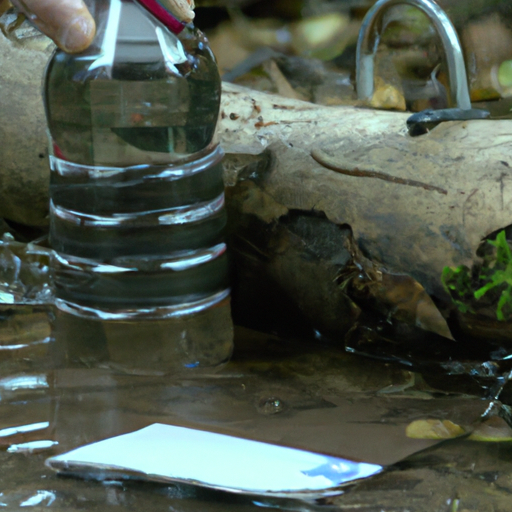
4. Solar Disinfection: Solar disinfection is a method of purifying water using the power of the sun. To do this, fill a clear plastic bottle with water and leave it in direct sunlight for at least six hours. This will kill any bacteria, viruses, and parasites that may be present in the water.
5. Distillation: Distillation is a process of purifying water by boiling it and then collecting the steam. To do this, fill a pot with water and place a bowl on top of the pot. As the water boils, the steam will rise and condense on the bowl. The condensed steam will be pure water, free of any bacteria, viruses, and parasites.
By following these steps, you can effectively purify water in a survival situation. It is important to remember that these methods are not foolproof and that you should always use caution when drinking water from an unknown source.
The Pros and Cons of Different Water Purification Methods in a Survival Situation
Water is essential for survival, and in a survival situation, it is important to have access to clean, safe drinking water. There are several methods of water purification available, each with its own advantages and disadvantages.
Boiling is one of the most common methods of water purification. Boiling water kills most bacteria and viruses, making it safe to drink. The main advantage of boiling is that it is simple and requires no special equipment. However, boiling does not remove chemical contaminants, and it can be time-consuming and energy-intensive.
Filtration is another popular method of water purification. Filters can remove bacteria, viruses, and chemical contaminants from water. Filters are relatively inexpensive and easy to use, and they can be used to purify large quantities of water quickly. However, filters can become clogged with debris, and they require regular maintenance and replacement.
Chemical treatments are another option for purifying water. Chemical treatments, such as chlorine or iodine, can be used to kill bacteria and viruses. Chemical treatments are relatively inexpensive and easy to use, and they can be used to purify large quantities of water quickly. However, chemical treatments can leave a bad taste in the water, and they can be toxic if used incorrectly.
Ultraviolet (UV) light is a more advanced method of water purification. UV light can be used to kill bacteria and viruses, and it does not leave a bad taste in the water. The main advantage of UV light is that it is effective at killing a wide range of microorganisms. However, UV light requires specialized equipment, and it can be expensive and difficult to use in a survival situation.
In conclusion, there are several methods of water purification available, each with its own advantages and disadvantages. Boiling, filtration, chemical treatments, and UV light are all viable options for purifying water in a survival situation. It is important to consider the pros and cons of each method before deciding which one is best for your needs.
Essential Tips for Purifying Water in a Survival Situation: What You Need to Know
In a survival situation, access to clean and safe drinking water is essential for survival. Without it, dehydration and other health issues can quickly arise. Fortunately, there are several ways to purify water in a survival situation. Here are some essential tips to help you purify water in a survival situation.
1. Boiling: Boiling is one of the most effective ways to purify water. Bring the water to a rolling boil for at least one minute to kill any bacteria or parasites. Boiling is also effective at removing some chemicals and heavy metals.
2. Filtration: Filtration is another effective way to purify water. There are several types of water filters available, from simple cloth filters to more advanced filters that use activated charcoal. Filters can remove bacteria, parasites, and some chemicals and heavy metals.
3. Chemical Treatment: Chemical treatment is another option for purifying water. Common chemicals used for water purification include chlorine, iodine, and chlorine dioxide. These chemicals can be used to kill bacteria and parasites, but they may not be effective at removing chemicals and heavy metals.
4. Ultraviolet Light: Ultraviolet light is a powerful tool for purifying water. Ultraviolet light can be used to kill bacteria and parasites, but it is not effective at removing chemicals and heavy metals.
5. Solar Disinfection: Solar disinfection is a simple and effective way to purify water. Fill a clear container with water and leave it in direct sunlight for at least six hours. This will kill bacteria and parasites, but it is not effective at removing chemicals and heavy metals.
These are some essential tips for purifying water in a survival situation. Remember to always use caution when purifying water, as some methods may not be effective at removing all contaminants. If you are unsure of the safety of the water, it is best to err on the side of caution and find an alternate source of water.