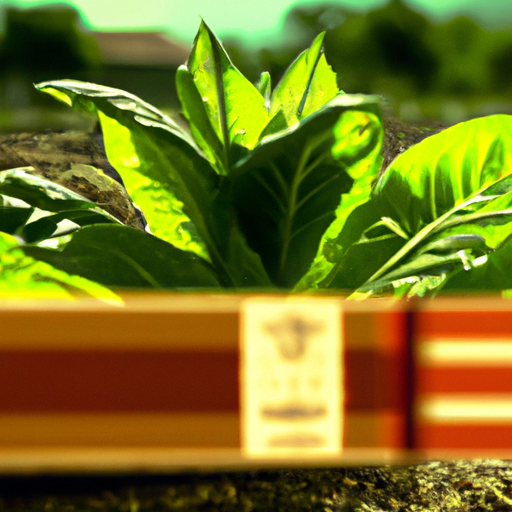
"Grow Your Own Tobacco - Enjoy the Taste of Home-Grown Quality!"
Introduction
Growing your own tobacco is a rewarding experience that can provide you with a unique and satisfying smoking experience. It is a relatively simple process that requires minimal equipment and supplies. With the right knowledge and dedication, you can grow your own tobacco in your backyard or even indoors. This guide will provide you with the necessary information to get started on your journey to growing your own tobacco.
The Basics of Growing Your Own Tobacco: What You Need to Know
Growing your own tobacco is a rewarding experience that can provide you with a unique and flavorful smoke. However, it is important to understand the basics of growing tobacco before you begin. This article will provide you with the information you need to get started.
First, you will need to choose the type of tobacco you want to grow. There are many varieties of tobacco, including Virginia, Burley, Oriental, and cigar leaf. Each type has its own unique characteristics and flavor. You should research the different types of tobacco to determine which one is best for you.
Once you have chosen the type of tobacco you want to grow, you will need to purchase the seeds. You can purchase tobacco seeds from a variety of sources, including online retailers and local nurseries. Make sure to purchase seeds that are specifically labeled for growing tobacco.
Next, you will need to prepare the soil for planting. Tobacco plants require well-drained, nutrient-rich soil. You should also add organic matter, such as compost or manure, to the soil to help it retain moisture and provide nutrients for the plants.
Once the soil is prepared, you can begin planting the seeds. Plant the seeds in rows, spacing them about six inches apart. Water the plants regularly and keep the soil moist.
As the plants grow, you will need to thin them out. This will help ensure that the plants have enough room to grow and that they are not overcrowded.
Finally, you will need to harvest the tobacco. The best time to harvest tobacco is when the leaves are fully mature. You can either hang the leaves to dry or use a curing chamber.
By following these steps, you can successfully grow your own tobacco. With a little patience and dedication, you can enjoy a unique and flavorful smoke.
How to Choose the Right Tobacco Seeds for Your Climate
When choosing tobacco seeds for your climate, it is important to consider the type of tobacco you want to grow, the climate in which you live, and the amount of time and effort you are willing to put into the growing process.
The type of tobacco you choose will depend on the type of product you want to produce. Different types of tobacco are used for different products, such as cigarettes, cigars, and pipe tobacco. Each type of tobacco requires different growing conditions and will require different types of seeds.
The climate in which you live will also play a role in the type of tobacco seeds you choose. Different types of tobacco thrive in different climates. For example, some types of tobacco do better in warm climates, while others do better in cooler climates. It is important to research the type of tobacco you want to grow and the climate in which you live to determine the best type of tobacco seeds for your area.
Finally, it is important to consider the amount of time and effort you are willing to put into the growing process. Different types of tobacco require different levels of care and attention. Some types of tobacco require more frequent watering and fertilizing, while others require less. It is important to choose a type of tobacco that you are willing to commit to caring for properly.
By considering the type of tobacco you want to grow, the climate in which you live, and the amount of time and effort you are willing to put into the growing process, you can choose the right tobacco seeds for your climate. With the right seeds and proper care, you can successfully grow your own tobacco.
Tips for Preparing the Soil for Growing Tobacco
1. Test the soil: Before planting tobacco, it is important to test the soil to ensure it is suitable for growing tobacco. The soil should have a pH level between 6.0 and 7.0. If the pH level is too low, it can be amended with lime.
2. Till the soil: Once the soil has been tested and amended, it should be tilled to a depth of 8-10 inches. This will help to aerate the soil and create a loose, crumbly texture.
3. Add organic matter: Adding organic matter such as compost or manure will help to improve the soil structure and provide essential nutrients for the tobacco plants.
4. Fertilize: Before planting, it is important to fertilize the soil with a balanced fertilizer. This will help to ensure the plants have the necessary nutrients to grow and produce a good yield.
5. Plant: Once the soil is prepared, it is time to plant the tobacco seeds. Plant the seeds 1/4 inch deep and space them 12-18 inches apart. Water the seeds thoroughly after planting.
6. Mulch: Once the plants have sprouted, it is important to mulch around the plants to help retain moisture and suppress weeds.
7. Water: Tobacco plants require regular watering to ensure they have enough moisture to grow and produce a good yield. Water the plants deeply and evenly, and avoid over-watering.
How to Plant and Care for Your Tobacco Plants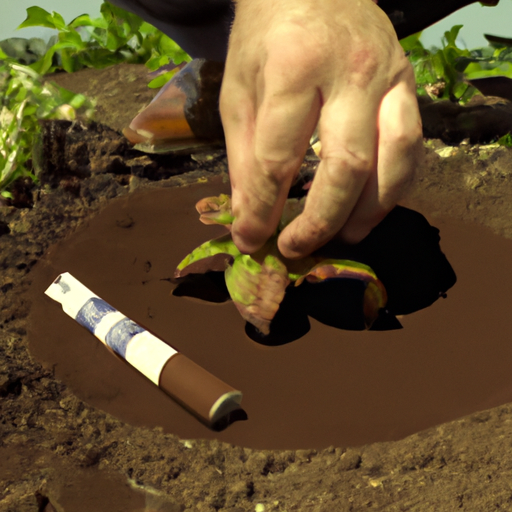
Tobacco plants are a popular choice for many gardeners, as they are easy to grow and can provide a great harvest. If you are looking to grow your own tobacco plants, here are some tips on how to plant and care for them.
First, you will need to choose a location for your tobacco plants. They prefer full sun and well-drained soil, so make sure to pick a spot that meets these requirements. Once you have chosen a location, you can begin to prepare the soil. Loosen the soil and add some compost or fertilizer to give the plants the nutrients they need.
Next, you will need to plant your tobacco seeds. Plant the seeds about 1/4 inch deep and cover them with soil. Make sure to space the seeds about 12 inches apart, as the plants will need room to grow. Water the seeds lightly and keep the soil moist until the plants have sprouted.
Once the plants have sprouted, you will need to thin them out. This means removing some of the plants so that the remaining ones have enough room to grow. You can also transplant the extra plants to another area of your garden.
Once the plants are established, you will need to water them regularly. Make sure to water them deeply, as this will help the roots to grow. You should also fertilize the plants every few weeks to ensure they are getting the nutrients they need.
Finally, you will need to harvest your tobacco plants when they are ready. The leaves should be a deep green color and feel dry to the touch. Cut the leaves off the plant and hang them in a dry, dark place to cure. Once the leaves are cured, you can enjoy your own homegrown tobacco!
By following these steps, you can successfully plant and care for your tobacco plants. With a little bit of patience and care, you can enjoy a great harvest of your own homegrown tobacco.
Understanding the Different Types of Tobacco and Their Uses
Tobacco is a plant that has been used for centuries for a variety of purposes. It is most commonly associated with smoking, but it can also be used for medicinal and ceremonial purposes. There are several different types of tobacco, each with its own unique characteristics and uses.
The most common type of tobacco is cigarette tobacco. This type of tobacco is used to make cigarettes, cigars, and other smoking products. It is usually a blend of several different types of tobacco, including Virginia, Burley, and Oriental. Cigarette tobacco is usually cured and processed to give it a strong flavor and aroma.
Another type of tobacco is pipe tobacco. This type of tobacco is used to make pipes and other smoking products. It is usually a blend of several different types of tobacco, including Virginia, Burley, and Oriental. Pipe tobacco is usually cured and processed to give it a milder flavor and aroma than cigarette tobacco.
Chewing tobacco is another type of tobacco. This type of tobacco is usually sold in small pouches and is meant to be chewed rather than smoked. Chewing tobacco is usually a blend of several different types of tobacco, including Virginia, Burley, and Oriental. It is usually cured and processed to give it a strong flavor and aroma.
Snuff is another type of tobacco. This type of tobacco is usually sold in small tins and is meant to be inhaled rather than smoked. Snuff is usually a blend of several different types of tobacco, including Virginia, Burley, and Oriental. It is usually cured and processed to give it a milder flavor and aroma than cigarette or pipe tobacco.
Finally, there is herbal tobacco. This type of tobacco is made from a variety of herbs and spices, and is meant to be smoked or inhaled. Herbal tobacco is usually a blend of several different types of herbs and spices, including mint, clove, and cinnamon. It is usually cured and processed to give it a milder flavor and aroma than cigarette or pipe tobacco.
No matter which type of tobacco you choose, it is important to understand the different types of tobacco and their uses. Each type of tobacco has its own unique characteristics and uses, and it is important to understand these differences in order to make an informed decision about which type of tobacco is right for you.
The Benefits of Growing Your Own Tobacco
Growing your own tobacco can be a rewarding experience for those who enjoy the process of cultivating and harvesting their own crop. There are many benefits to growing your own tobacco, including the ability to control the quality of the product, the cost savings, and the satisfaction of knowing that you have grown your own tobacco.
The first benefit of growing your own tobacco is the ability to control the quality of the product. When you grow your own tobacco, you can choose the type of tobacco you want to grow, as well as the growing conditions. This allows you to ensure that the tobacco you are growing is of the highest quality. You can also control the curing process, which can affect the flavor and aroma of the tobacco.
The second benefit of growing your own tobacco is the cost savings. Growing your own tobacco can be much less expensive than purchasing it from a store. You can save money on the cost of seeds, fertilizer, and other supplies, as well as the cost of labor. Additionally, you can save money on taxes, as tobacco grown for personal use is not subject to taxation.
The third benefit of growing your own tobacco is the satisfaction of knowing that you have grown your own tobacco. Growing your own tobacco can be a rewarding experience, as you can take pride in the fact that you have grown something with your own hands. Additionally, you can share your tobacco with friends and family, or even sell it to make a profit.
In conclusion, growing your own tobacco can be a rewarding experience with many benefits. You can control the quality of the product, save money on the cost of supplies and labor, and take pride in knowing that you have grown your own tobacco.
Troubleshooting Common Problems When Growing Tobacco
Growing tobacco can be a rewarding experience, but it can also be a source of frustration if problems arise. Fortunately, many common problems can be easily addressed with a few simple steps.
The first step in troubleshooting any issue is to identify the problem. Common problems when growing tobacco include pests, disease, and nutrient deficiencies. Pests such as aphids, spider mites, and whiteflies can cause damage to the leaves and stems of the plant. Diseases such as black shank, fusarium wilt, and mosaic virus can also cause damage. Nutrient deficiencies can cause stunted growth, yellowing of the leaves, and poor yields.
Once the problem has been identified, the next step is to take action. For pest infestations, the best course of action is to use an insecticide or other pest control product. Be sure to follow the instructions on the label carefully. For diseases, it is important to remove any infected plants and dispose of them properly. If the problem is a nutrient deficiency, it can be addressed by adding the necessary nutrients to the soil.
Finally, it is important to take preventative measures to avoid future problems. This includes regularly inspecting plants for signs of pests or disease, and providing adequate nutrition and water. It is also important to practice good sanitation, such as cleaning tools and containers between uses.
By following these steps, most common problems when growing tobacco can be easily addressed. With a little patience and effort, growers can enjoy a successful harvest of high-quality tobacco.
Conclusion
Growing your own tobacco can be a rewarding experience, both financially and emotionally. It can be a great way to save money, as well as a fun hobby. With the right knowledge and supplies, anyone can grow their own tobacco. It is important to research the best methods for growing tobacco, as well as the laws and regulations in your area. With the right preparation and dedication, you can be successful in growing your own tobacco.