"Be Prepared: Emergency Shelter Options for Every Survival Situation!"
Introduction
When faced with a survival situation, having access to an emergency shelter can be the difference between life and death. Emergency shelters provide a safe and secure environment for people to take refuge in during times of crisis. They can be used to protect people from the elements, provide a place to rest, and even provide basic supplies. There are a variety of emergency shelter options available, ranging from tents and tarps to more permanent structures. This article will provide an overview of the different types of emergency shelters and their benefits.
How to Choose the Right Emergency Shelter for Your Survival Situation
When faced with a survival situation, having the right emergency shelter can be the difference between life and death. Knowing how to choose the right shelter for your situation is essential for your safety and comfort. Here are some tips to help you make the right choice.
First, consider the environment you are in. Different types of shelters are better suited for different climates and terrains. For example, if you are in a cold climate, a snow shelter may be the best option. If you are in a hot climate, a shade shelter may be more suitable.
Second, consider the materials you have available. If you are in a remote area, you may not have access to traditional building materials. In this case, you may need to improvise and use natural materials such as branches, leaves, and rocks.
Third, consider the time you have available. If you are in a hurry, you may need to build a shelter quickly. In this case, a simple tarp shelter may be the best option. If you have more time, you may be able to build a more complex shelter such as an A-frame or a lean-to.
Finally, consider your comfort level. If you are in a survival situation, you may need to make do with a basic shelter. However, if you have the time and resources, you may be able to build a more comfortable shelter with insulation and other features.
By considering the environment, materials, time, and comfort level, you can choose the right emergency shelter for your survival situation. With the right shelter, you can stay safe and comfortable until help arrives.
The Pros and Cons of Building Your Own Emergency Shelter
Building your own emergency shelter can be a great way to ensure that you and your family are safe in the event of a natural disaster or other emergency. However, there are both pros and cons to consider before embarking on such a project.
Pros
The primary benefit of building your own emergency shelter is that you can customize it to meet your specific needs. You can choose the size, shape, and materials that best suit your family’s needs. Additionally, you can make sure that the shelter is designed to withstand the specific type of emergency you are preparing for.
Another benefit of building your own emergency shelter is that it can be relatively inexpensive. Depending on the materials you use, you may be able to build a shelter for a fraction of the cost of purchasing a pre-made shelter.
Cons
The primary disadvantage of building your own emergency shelter is that it can be time-consuming. Depending on the size and complexity of the shelter, it could take weeks or even months to complete. Additionally, you may need to hire professionals to help with certain aspects of the project, which can add to the cost.
Another potential downside of building your own emergency shelter is that it may not be as structurally sound as a pre-made shelter. If you are not experienced in construction, it is possible that your shelter may not be able to withstand the force of a natural disaster.
In conclusion, building your own emergency shelter can be a great way to ensure that you and your family are safe in the event of an emergency. However, it is important to consider both the pros and cons before embarking on such a project.
The Benefits of Using a Tent as an Emergency Shelter
In an emergency situation, having a tent can be a lifesaver. Tents provide a safe and secure shelter from the elements, and can be used in a variety of situations. Here are some of the benefits of using a tent as an emergency shelter.
First, tents are lightweight and easy to transport. This makes them ideal for emergency situations, as they can be quickly and easily set up in a variety of locations. Additionally, tents are relatively inexpensive, making them an affordable option for those who may not have the resources to purchase a more permanent shelter.
Second, tents provide protection from the elements. They can keep you warm and dry in inclement weather, and can also provide shade from the sun. This is especially important in hot climates, where exposure to the sun can be dangerous.
Third, tents can provide a sense of security. In an emergency situation, having a secure shelter can be a great source of comfort. Tents can also provide a sense of privacy, which can be especially important in a chaotic and stressful situation.
Finally, tents can be used to store supplies. This can be especially helpful in an emergency situation, as it allows you to keep important items safe and secure.
Overall, tents can be a great option for emergency shelters. They are lightweight, affordable, and provide protection from the elements. Additionally, they can provide a sense of security and can be used to store supplies. For these reasons, tents can be an invaluable resource in an emergency situation.
How to Make the Most of Your Emergency Shelter in a Survival Situation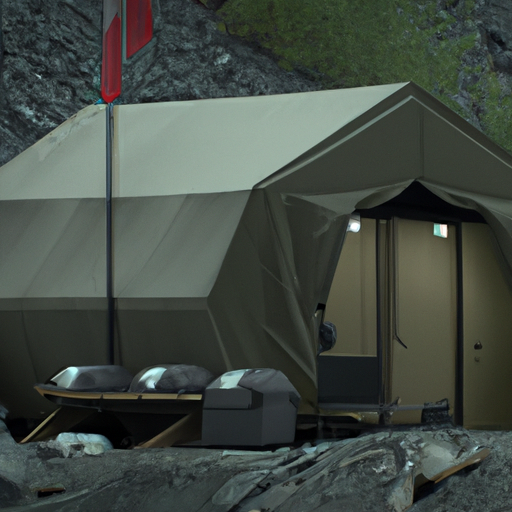
Survival in an emergency situation can be a daunting task, but having access to an emergency shelter can make the experience much more manageable. Here are some tips to help you make the most of your emergency shelter in a survival situation.
1. Choose the Right Location: When selecting a location for your emergency shelter, it is important to consider the terrain, climate, and other environmental factors. Look for a spot that is sheltered from the wind and rain, and that is close to a water source.
2. Make the Shelter Secure: Once you have chosen a location for your shelter, it is important to make sure it is secure. Look for sturdy materials such as logs, rocks, or branches to build the walls and roof of your shelter. Make sure the walls are tall enough to protect you from the elements and any potential predators.
3. Insulate the Shelter: Insulating your shelter is essential for keeping warm and dry. Use natural materials such as leaves, grass, and moss to insulate the walls and floor of your shelter. If you have access to blankets or other materials, use them to further insulate the shelter.
4. Create a Fire: A fire can provide warmth, light, and a way to cook food. Make sure to build the fire away from the shelter to avoid any potential hazards.
5. Store Supplies: Make sure to store any supplies you have in a safe and secure place. This will help you stay organized and make sure you have access to the items you need.
By following these tips, you can make the most of your emergency shelter in a survival situation. With the right preparation and planning, you can ensure that your shelter is secure and comfortable, and that you have access to the supplies you need.
The Advantages of Using a Cave as an Emergency Shelter
Caves have been used as emergency shelters for centuries, and for good reason. They offer a number of advantages that make them an ideal choice for those in need of a safe haven. Here are some of the benefits of using a cave as an emergency shelter:
1. Protection from the Elements: Caves provide a natural barrier from the elements, such as wind, rain, and snow. This can be especially beneficial in extreme weather conditions, as the cave can provide a safe and dry place to take refuge.
2. Security: Caves are naturally secure, as they are often difficult to access and provide a sense of privacy. This can be especially helpful in emergency situations, as it can provide a sense of safety and security.
3. Natural Resources: Caves often contain natural resources, such as water, that can be used in an emergency. This can be especially helpful if you are in a remote area and do not have access to other sources of water.
4. Shelter from Predators: Caves can provide a safe haven from predators, such as wild animals. This can be especially beneficial if you are in an area where there are dangerous animals.
Overall, caves can be an excellent choice for an emergency shelter. They provide protection from the elements, security, natural resources, and shelter from predators. For these reasons, caves can be an ideal choice for those in need of a safe haven.
How to Construct an Emergency Shelter Out of Natural Materials
Constructing an emergency shelter out of natural materials is a skill that can be invaluable in a survival situation. With the right materials and knowledge, it is possible to create a shelter that is both comfortable and secure. Here are the steps to construct an emergency shelter out of natural materials.
1. Find a suitable location. Look for a spot that is sheltered from the wind and rain, and that is close to a water source. If possible, choose a spot that is elevated and away from any potential flooding.
2. Gather materials. Look for materials such as sticks, logs, leaves, and grasses that can be used to construct the shelter. If possible, try to find materials that are dry and free of insects.
3. Construct the frame. Use the sticks and logs to create a frame for the shelter. Make sure the frame is sturdy and secure.
4. Cover the frame. Use the leaves and grasses to cover the frame. Make sure the cover is thick enough to provide insulation and protection from the elements.
5. Secure the shelter. Use additional sticks and logs to secure the shelter and make sure it is stable.
By following these steps, it is possible to construct an emergency shelter out of natural materials. This type of shelter can provide protection from the elements and can be a lifesaver in a survival situation.
The Benefits of Using a Vehicle as an Emergency Shelter
In times of emergency, having a vehicle as an emergency shelter can be a great asset. A vehicle can provide a safe and secure place to stay, and can be used to store supplies and equipment. Here are some of the benefits of using a vehicle as an emergency shelter.
First, a vehicle can provide a safe and secure place to stay. It can be used to store supplies and equipment, and can be used as a shelter from the elements. This can be especially useful in areas where there is no access to other forms of shelter, such as a hotel or a home.
Second, a vehicle can provide a means of transportation. In an emergency situation, having a vehicle can be invaluable. It can be used to get to safety, or to transport supplies and equipment.
Third, a vehicle can provide a place to store food and water. In an emergency situation, having access to food and water can be essential. A vehicle can provide a place to store these items, and can be used to transport them to safety.
Finally, a vehicle can provide a place to rest and relax. In an emergency situation, having a place to rest and relax can be invaluable. A vehicle can provide a comfortable place to rest and relax, and can be used to store supplies and equipment.
In conclusion, having a vehicle as an emergency shelter can be a great asset. It can provide a safe and secure place to stay, a means of transportation, a place to store food and water, and a place to rest and relax. In an emergency situation, having a vehicle can be invaluable.
Conclusion
In conclusion, emergency shelter options for survival situations are essential for anyone who finds themselves in a dangerous or life-threatening situation. There are a variety of options available, from natural shelters such as caves and trees, to man-made shelters such as tents and tarps. It is important to be prepared and know what options are available in order to ensure your safety and survival.