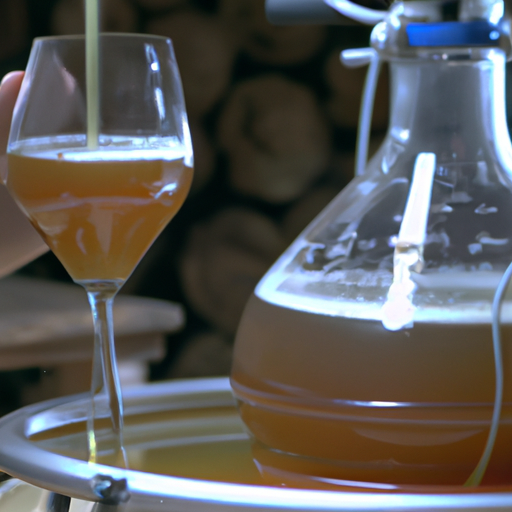
"Unlock the secrets of the past with A Guide to Making Mead!"
Introduction
Mead is one of the oldest alcoholic beverages known to man, with a history that dates back thousands of years. It is a fermented beverage made from honey, water, and yeast, and is often flavored with spices, fruits, and herbs. Making mead is a fun and rewarding experience, and this guide will provide you with all the information you need to get started. From choosing the right ingredients to bottling and aging your mead, you'll learn everything you need to know to make a delicious batch of mead. So grab your ingredients and let's get started!
What is Mead and How is it Made?
Mead is an alcoholic beverage made from fermented honey and water. It is one of the oldest known alcoholic beverages, with evidence of its production dating back to 7000 BC. Mead is often referred to as “honey wine” and is produced in a variety of styles, from dry to sweet, and from still to sparkling.
The process of making mead is relatively simple. First, honey is mixed with water and heated to dissolve the honey. Yeast is then added to the mixture, which begins the fermentation process. During fermentation, the yeast consumes the sugars in the honey and produces alcohol and carbon dioxide. The fermentation process can take anywhere from a few weeks to several months, depending on the desired flavor and alcohol content. Once fermentation is complete, the mead is then aged and bottled.
Mead is a unique and flavorful beverage that can be enjoyed on its own or used as an ingredient in cocktails. It is a popular choice for home brewers and is gaining in popularity among craft beer drinkers.
The History of Mead: From Ancient Times to Today
Mead is an alcoholic beverage made from fermented honey and water, and it has been enjoyed by people around the world for centuries. Its history dates back to ancient times, when it was believed to have been discovered by the ancient Greeks. Since then, it has been enjoyed by many cultures, including the Celts, Vikings, and Anglo-Saxons.
The earliest known written record of mead dates back to the 8th century BC, when it was mentioned in the Odyssey, an epic poem by Homer. In the poem, mead is described as a drink of the gods, and it was believed to have magical properties. It was also used in religious ceremonies and was thought to bring good luck.
In the Middle Ages, mead was a popular drink among the nobility and was often served at feasts and banquets. It was also used as a medicinal remedy for a variety of ailments. During this time, mead was made with a variety of ingredients, including spices, herbs, and fruits.
In the 16th century, mead began to decline in popularity as beer and wine became more widely available. However, it continued to be enjoyed by some people, particularly in rural areas. In the 19th century, mead began to make a comeback, and it is now enjoyed by people around the world.
Today, mead is made in a variety of styles, from dry to sweet, and it can be flavored with fruits, spices, and herbs. It is also available in a variety of strengths, from light to strong. Mead is often served chilled or over ice, and it can be enjoyed on its own or as an accompaniment to food.
Mead has a long and fascinating history, and it continues to be enjoyed by people around the world. Whether you’re looking for a refreshing beverage or a unique flavor experience, mead is sure to please.
The Different Types of Mead and Their Characteristics
Mead is an alcoholic beverage made from fermented honey and water. It has been around for centuries and is still enjoyed today. There are many different types of mead, each with its own unique characteristics. Here is a brief overview of the different types of mead and their characteristics.
Traditional mead is the most common type of mead. It is made with honey, water, and yeast. It is usually dry and has a light, sweet flavor. Traditional mead can range from light and fruity to full-bodied and complex.
Melomel mead is made with honey, water, yeast, and fruit. It is usually sweet and can range from light and fruity to full-bodied and complex. The fruit used in melomel mead can range from apples and pears to cherries and blueberries.
Pyment mead is made with honey, water, yeast, and grapes. It is usually sweet and can range from light and fruity to full-bodied and complex. The grapes used in pyment mead can range from white to red.
Metheglin mead is made with honey, water, yeast, and spices. It is usually sweet and can range from light and fruity to full-bodied and complex. The spices used in metheglin mead can range from cinnamon and nutmeg to cloves and ginger.
Braggot mead is made with honey, water, yeast, and malt. It is usually sweet and can range from light and fruity to full-bodied and complex. The malt used in braggot mead can range from barley to wheat.
Cyser mead is made with honey, water, yeast, and apples. It is usually sweet and can range from light and fruity to full-bodied and complex. The apples used in cyser mead can range from green to red.
These are just a few of the different types of mead and their characteristics. Each type of mead has its own unique flavor and aroma, making it a great choice for any occasion. Whether you are looking for a light and fruity mead or a full-bodied and complex mead, there is sure to be a type of mead that will suit your taste.
The Benefits of Making Your Own Mead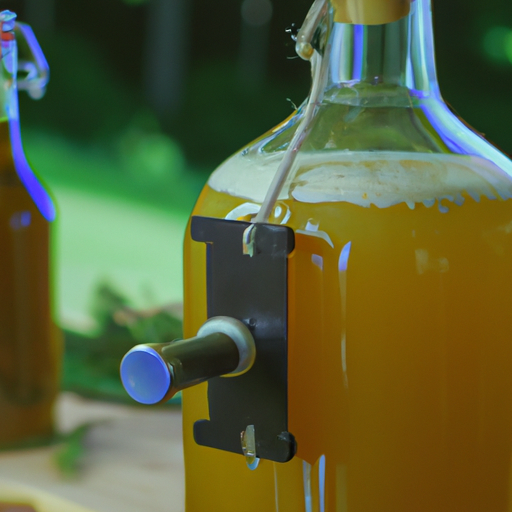
Making your own mead can be a rewarding and enjoyable experience. Not only is it a fun and creative way to spend your time, but it also has many benefits. Here are some of the advantages of making your own mead.
First, making your own mead allows you to customize the flavor to your own tastes. You can choose the type of honey, the type of yeast, and the amount of spices and other ingredients to create a unique flavor that is tailored to your preferences. This means that you can create a mead that is perfectly suited to your palate.
Second, making your own mead is cost-effective. The ingredients needed to make mead are relatively inexpensive, and you can make a large batch of mead for a fraction of the cost of buying it from a store. This makes it a great option for those on a budget.
Third, making your own mead is a great way to learn about the process of fermentation. You can experiment with different ingredients and techniques to learn more about the science behind mead-making. This knowledge can be used to create more complex and interesting flavors.
Finally, making your own mead is a great way to share your creations with friends and family. You can host a mead-tasting party or give bottles of your mead as gifts. This is a great way to show off your skills and share your love of mead with others.
Overall, making your own mead is a great way to have fun, save money, learn about fermentation, and share your creations with others. If you are looking for a creative and rewarding hobby, then making your own mead is a great option.
The Essential Equipment and Ingredients for Making Mead
Making mead is an ancient craft that has been around for centuries. It is a fermented beverage made from honey, water, and yeast. To make a successful batch of mead, you will need the right equipment and ingredients.
The essential equipment for making mead includes a large pot or kettle, a fermentation vessel, an airlock, a hydrometer, a siphon hose, a bottle filler, and bottles. The large pot or kettle is used to heat the honey and water mixture. The fermentation vessel is a large container that holds the mead while it ferments. An airlock is a device that allows carbon dioxide to escape while preventing oxygen from entering the fermentation vessel. A hydrometer is used to measure the specific gravity of the mead. A siphon hose is used to transfer the mead from the fermentation vessel to the bottles. A bottle filler is used to fill the bottles with mead. Finally, bottles are needed to store the mead.
The essential ingredients for making mead include honey, water, yeast, and yeast nutrient. Honey is the main ingredient in mead and provides the sweetness and flavor. Water is used to dilute the honey and create the desired alcohol content. Yeast is used to convert the sugars in the honey into alcohol. Yeast nutrient is added to provide the yeast with the necessary nutrients to ferment the mead.
Making mead is a rewarding experience that requires the right equipment and ingredients. With the right tools and ingredients, you can make a delicious batch of mead that you can enjoy for years to come.
Step-by-Step Guide to Making Mead at Home
Making mead at home is a rewarding and enjoyable experience. With the right ingredients and equipment, you can make a delicious and unique beverage that you can share with friends and family. Here is a step-by-step guide to making mead at home.
1. Gather the necessary ingredients and equipment. You will need honey, water, yeast, and any additional flavorings you would like to add. You will also need a large pot, a fermentation vessel, an airlock, a siphon, and a bottling wand.
2. Sanitize all of your equipment. This is an important step to ensure that your mead is free of any bacteria or wild yeast that could spoil the flavor.
3. Mix the honey and water in the pot and heat it to about 150 degrees Fahrenheit. This will help dissolve the honey and make it easier to mix with the other ingredients.
4. Cool the mixture to about 70 degrees Fahrenheit and add the yeast. Stir the mixture to ensure that the yeast is evenly distributed.
5. Transfer the mixture to the fermentation vessel and attach the airlock. This will allow carbon dioxide to escape while preventing oxygen from entering the vessel.
6. Allow the mead to ferment for at least two weeks. During this time, the yeast will consume the sugars in the honey and produce alcohol.
7. After two weeks, siphon the mead into a clean container and add any additional flavorings you would like.
8. Bottle the mead and allow it to condition for at least two weeks. This will allow the flavors to develop and the alcohol content to increase.
9. Enjoy your homemade mead!
Making mead at home is a fun and rewarding experience. With the right ingredients and equipment, you can make a delicious and unique beverage that you can share with friends and family. Follow this step-by-step guide to make your own mead at home.
Tips and Tricks for Making the Perfect Mead Every Time
1. Start with the right ingredients. Choose quality honey, yeast, and other ingredients to ensure the best possible flavor and aroma.
2. Sanitize all of your equipment. Sanitizing your equipment is essential to prevent contamination and ensure a successful batch of mead.
3. Use the right amount of honey. Too much honey can lead to a sweet, cloying mead, while too little can lead to a dry, flavorless mead.
4. Use the right type of yeast. Different types of yeast will produce different flavors and aromas. Choose the right type of yeast for the type of mead you are making.
5. Monitor the fermentation process. Monitor the fermentation process closely to ensure that it is progressing as expected.
6. Rack the mead. Racking the mead will help to clarify it and remove any sediment.
7. Age the mead. Aging the mead will help to develop the flavor and aroma.
8. Bottle the mead. Bottle the mead in clean, sanitized bottles to ensure that it is ready to drink.
9. Enjoy your mead. The most important step of all is to enjoy your mead!
Conclusion
A guide to making mead is an invaluable resource for anyone interested in learning about the oldest alcoholic beverage. It provides a comprehensive overview of the history, ingredients, and techniques involved in making mead, as well as helpful tips and tricks for getting the most out of the process. Whether you're a beginner or an experienced mead maker, this guide is sure to provide you with the knowledge and confidence you need to make delicious mead.