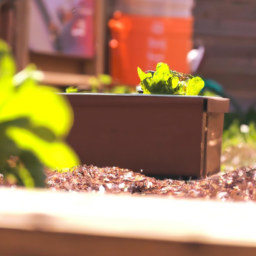
"Grow Your Own Food - The Ultimate Guide to Backyard Gardening!"
Introduction
Welcome to The Ultimate Guide to Growing Your Own Food in Your Backyard! Growing your own food is a great way to save money, eat healthier, and enjoy the satisfaction of growing something with your own hands. This guide will provide you with all the information you need to get started growing your own food in your backyard. We'll cover topics such as choosing the right plants, preparing the soil, and caring for your plants. We'll also discuss the benefits of growing your own food and provide tips and tricks to help you get the most out of your garden. So, let's get started!
The Benefits of Growing Your Own Food in Your Backyard: From Health to Financial Savings
Growing your own food in your backyard can be a rewarding experience that offers numerous benefits. From improved health to financial savings, cultivating your own produce can be a great way to improve your lifestyle.
One of the most significant benefits of growing your own food is improved health. Home-grown fruits and vegetables are often fresher and more nutritious than store-bought produce. This is because store-bought produce is often picked before it is ripe, which can reduce its nutritional value. Additionally, you can control the amount of pesticides and other chemicals used on your produce, ensuring that you are consuming only the healthiest food.
Another benefit of growing your own food is financial savings. Home-grown produce is often much cheaper than store-bought produce, especially if you are able to purchase seeds or seedlings in bulk. Additionally, you can save money on trips to the grocery store, as you will have a steady supply of fresh produce right in your backyard.
Finally, growing your own food can be a great way to reduce your environmental impact. Home-grown produce does not require the energy and resources used to transport store-bought produce, and you can also reduce your waste by composting any scraps or unused produce.
In conclusion, growing your own food in your backyard can be a great way to improve your health, save money, and reduce your environmental impact. With a little bit of effort, you can enjoy the many benefits of cultivating your own produce.
How to Choose the Right Plants for Your Backyard Garden: Tips for Beginners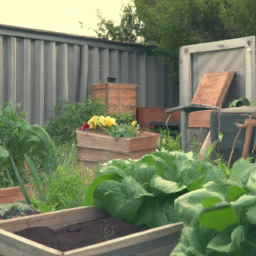
Creating a backyard garden can be a rewarding and enjoyable experience. Whether you are a beginner or an experienced gardener, it is important to choose the right plants for your garden. Here are some tips to help you get started.
1. Consider Your Climate: Before selecting plants for your garden, it is important to consider the climate in your area. Different plants require different levels of sunlight, water, and temperature. Research the plants that are best suited for your climate and make sure to select plants that will thrive in your environment.
2. Choose Plants That Are Easy to Care For: When selecting plants for your garden, it is important to choose plants that are easy to care for. Consider plants that are low maintenance and require minimal pruning and fertilizing.
3. Select Plants That Are Attractive: When selecting plants for your garden, it is important to choose plants that are aesthetically pleasing. Consider the colors, shapes, and textures of the plants you choose.
4. Choose Plants That Are Appropriate for Your Space: When selecting plants for your garden, it is important to choose plants that are appropriate for the size of your space. Consider the size of the plants and how much space they will take up.
5. Consider Your Budget: When selecting plants for your garden, it is important to consider your budget. Research the cost of the plants you are interested in and make sure you can afford them.
By following these tips, you can ensure that you select the right plants for your backyard garden. With the right plants, you can create a beautiful and enjoyable outdoor space.
The Ultimate Guide to Organic Gardening: Tips for Growing Healthy, Pesticide-Free Produce
Organic gardening is becoming increasingly popular as people become more aware of the health and environmental benefits of growing their own produce without the use of synthetic pesticides and fertilizers. Growing organic produce is not only healthier for you and your family, but it also helps to protect the environment and preserve biodiversity. This guide will provide you with tips and advice on how to create a successful organic garden and grow healthy, pesticide-free produce.
1. Choose the Right Location: When selecting a location for your organic garden, it is important to consider the amount of sunlight, soil type, and drainage. Make sure the area you choose gets at least six hours of direct sunlight each day and has well-draining soil. If your soil is too sandy or clay-like, you may need to amend it with organic matter such as compost or manure.
2. Select the Right Plants: When choosing plants for your organic garden, it is important to select varieties that are well-suited to your climate and soil type. Research the plants you are interested in to make sure they are suitable for your area. Additionally, look for varieties that are resistant to pests and diseases.
3. Use Natural Pest Control: To keep pests away from your organic garden, use natural methods such as companion planting, hand-picking, and using beneficial insects. Companion planting involves planting certain plants together that can help repel pests. Hand-picking involves manually removing pests from your plants. Beneficial insects, such as ladybugs and lacewings, can help to keep pests away from your garden.
4. Practice Crop Rotation: Crop rotation is an important part of organic gardening. This involves planting different crops in the same area each year to help prevent soil depletion and reduce the risk of pests and diseases.
5. Mulch: Mulching is an important part of organic gardening. Mulch helps to retain moisture in the soil, reduce weeds, and protect plants from extreme temperatures.
6. Water Wisely: When watering your organic garden, it is important to water deeply and infrequently. This will help to encourage deep root growth and reduce the risk of disease.
7. Fertilize: To ensure your plants get the nutrients they need, use organic fertilizers such as compost, manure, or fish emulsion.
By following these tips, you can create a successful organic garden and grow healthy, pesticide-free produce. With a little bit of knowledge and effort, you can enjoy the benefits of organic gardening and reap the rewards of growing your own food.