"Be Prepared: Learn Basic First Aid Skills for a Safer Future!"
Introduction
Preppers are people who are prepared for any emergency situation. They are well-versed in survival skills and have the necessary supplies to survive any disaster. Learning basic first aid skills is an important part of being a prepper. Knowing how to treat minor injuries and illnesses can help you and your family stay safe and healthy in the event of an emergency. In this article, we will discuss the benefits of learning basic first aid skills for preppers. We will look at how it can help you stay safe and healthy, as well as how it can help you save lives in an emergency. We will also discuss the different types of first aid training available and how to get started.
How to Prepare a First Aid Kit for Preppers
A first aid kit is an essential item for any prepper. It is important to have the necessary supplies on hand in case of an emergency. Here is a guide to help you prepare a first aid kit for preppers.
First, you will need to gather the necessary supplies. This should include items such as bandages, gauze, antiseptic wipes, adhesive tape, scissors, tweezers, safety pins, and a thermometer. You should also include items such as pain relievers, antihistamines, and antacids. Additionally, you should include a first aid manual and a list of emergency contact numbers.
Next, you will need to organize the supplies in your first aid kit. It is important to keep the items organized and easily accessible. You should also label each item so that you can quickly identify what it is.
Finally, you should store your first aid kit in a safe and secure place. It should be easily accessible in case of an emergency. You should also check the supplies in your kit regularly to make sure that they are in good condition and that they are not expired.
By following these steps, you can easily prepare a first aid kit for preppers. Having the necessary supplies on hand can help you be prepared for any emergency situation.
The Benefits of Learning Basic First Aid Skills for Preppers
Learning basic first aid skills is an essential part of being a prepper. Preppers are individuals who prepare for potential disasters or emergencies by stocking up on supplies and learning survival skills. Having basic first aid skills is an important part of being a prepper, as it can help to ensure that you and your family are safe and healthy in the event of an emergency.
One of the main benefits of learning basic first aid skills for preppers is that it can help to reduce the risk of injury or illness in an emergency situation. Knowing how to properly treat minor injuries and illnesses can help to prevent them from becoming more serious. Additionally, having basic first aid skills can help to reduce the amount of time it takes to treat an injury or illness, which can be critical in an emergency situation.
Another benefit of learning basic first aid skills for preppers is that it can help to reduce the amount of medical supplies that need to be stored. Knowing how to treat minor injuries and illnesses can help to reduce the need for medical supplies, as many of these can be treated with basic first aid techniques. This can help to reduce the amount of space needed to store medical supplies, as well as the cost of purchasing them.
Finally, learning basic first aid skills can help to give preppers peace of mind. Knowing that you have the skills to treat minor injuries and illnesses can help to provide a sense of security in the event of an emergency. Additionally, having basic first aid skills can help to give preppers the confidence to take action in an emergency situation, as they will know that they have the skills to help.
In conclusion, learning basic first aid skills is an important part of being a prepper. Having these skills can help to reduce the risk of injury or illness in an emergency situation, reduce the amount of medical supplies that need to be stored, and provide peace of mind. For these reasons, it is essential for preppers to learn basic first aid skills.
Common First Aid Mistakes Preppers Should Avoid
Preppers should be aware of the potential for making mistakes when providing first aid. While it is important to act quickly in an emergency, it is also important to be aware of the potential for making mistakes that could worsen the situation. Here are some common first aid mistakes preppers should avoid:
1. Not calling for help: In an emergency, it is important to call for help as soon as possible. Even if you are confident in your ability to provide first aid, it is important to call for professional medical assistance.
2. Not following the ABCs: The ABCs of first aid are Airway, Breathing, and Circulation. It is important to assess and address these three areas before providing any other first aid.
3. Not using proper technique: It is important to use proper technique when providing first aid. This includes using the correct amount of pressure when applying a bandage or splint, and using the correct technique when performing CPR.
4. Not using the right equipment: It is important to use the right equipment when providing first aid. This includes using the correct type of bandage or splint, and using the correct type of CPR mask.
5. Not cleaning wounds: It is important to clean wounds before providing any other first aid. This includes using a sterile solution to clean the wound, and using a bandage to cover the wound.
6. Not monitoring the patient: It is important to monitor the patient’s condition throughout the first aid process. This includes checking the patient’s pulse, breathing, and level of consciousness.
By avoiding these common first aid mistakes, preppers can ensure that they are providing the best possible care in an emergency situation.
How to Treat Common Injuries in a Prepper Situation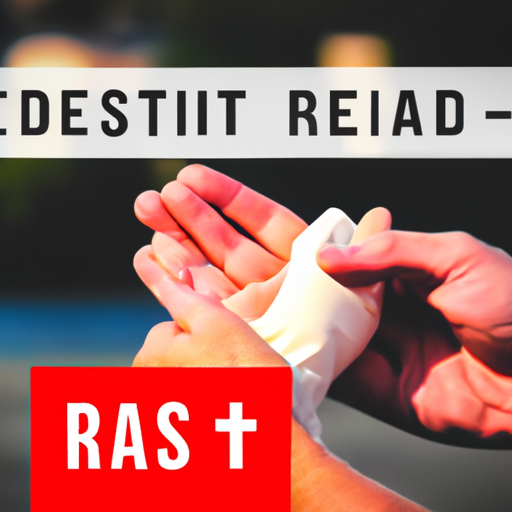
In a prepper situation, it is important to be prepared to treat common injuries. Knowing how to treat common injuries can help to prevent further complications and ensure the best possible outcome. Here are some tips for treating common injuries in a prepper situation.
First, it is important to assess the injury. Check for any signs of bleeding, swelling, or pain. If the injury is severe, it is important to seek medical attention as soon as possible.
Second, it is important to clean the wound. Use clean water and soap to clean the wound and remove any dirt or debris. If the wound is deep, it may be necessary to use a sterile saline solution to flush out the wound.
Third, it is important to stop any bleeding. Apply direct pressure to the wound with a clean cloth or bandage. If the bleeding does not stop, it may be necessary to use a tourniquet.
Fourth, it is important to reduce swelling. Apply a cold compress to the injured area to reduce swelling and pain.
Fifth, it is important to protect the wound. Cover the wound with a sterile bandage or gauze to keep it clean and protected.
Finally, it is important to monitor the injury. Check the wound regularly for signs of infection, such as redness, swelling, or pus. If any of these signs are present, seek medical attention immediately.
By following these tips, it is possible to treat common injuries in a prepper situation. Knowing how to treat common injuries can help to prevent further complications and ensure the best possible outcome.
The Importance of Knowing CPR for Preppers
Preppers are individuals who are prepared for any type of emergency or disaster. Knowing CPR is an important skill for preppers to have in order to be able to respond to medical emergencies. Cardiopulmonary resuscitation (CPR) is a lifesaving technique that is used to restore breathing and circulation to a person who has stopped breathing or whose heart has stopped beating.
CPR is a skill that can be used in a variety of emergency situations. It can be used to help someone who has suffered a heart attack, stroke, or other medical emergency. It can also be used to help someone who has been injured in an accident or who has been exposed to a hazardous substance. In addition, CPR can be used to help someone who has been submerged in water or who has been exposed to extreme temperatures.
CPR is a skill that can be learned quickly and easily. Most communities offer classes that teach the basics of CPR. These classes are usually taught by certified instructors and provide hands-on practice with mannequins. The American Red Cross also offers online courses that can be taken at home.
Knowing CPR is an important skill for preppers to have because it can help them respond quickly and effectively to medical emergencies. It can also help them provide assistance to others in their community who may be in need of medical attention. By being prepared with the knowledge and skills to perform CPR, preppers can help save lives in the event of an emergency.
How to Administer First Aid in a Disaster Situation
In a disaster situation, administering first aid can be a critical step in saving lives and reducing the severity of injuries. It is important to be prepared and know how to respond in such a situation. The following steps can help you provide effective first aid in a disaster situation.
1. Assess the Situation: Before providing first aid, it is important to assess the situation and determine the extent of the disaster. Look for any potential hazards and assess the number of people who may need help.
2. Prioritize: Once you have assessed the situation, prioritize the people who need help. Those with life-threatening injuries should be treated first, followed by those with less serious injuries.
3. Call for Help: If possible, call for help. Contact emergency services and let them know the location and the number of people who need help.
4. Provide Basic First Aid: Once you have assessed the situation and called for help, you can begin providing basic first aid. This includes stopping any bleeding, providing CPR if necessary, and splinting any broken bones.
5. Monitor the Situation: Monitor the situation and provide reassurance to those who are injured. If possible, move them to a safe area and keep them warm.
6. Follow Up: Once the situation has been stabilized, follow up with those who have been injured. Make sure they receive the necessary medical attention and provide emotional support if needed.
By following these steps, you can provide effective first aid in a disaster situation. It is important to remain calm and take the necessary steps to ensure the safety of those who are injured.
The Benefits of Taking a First Aid Course for Preppers
Taking a first aid course is an important part of being a prepared prepper. Being able to provide medical assistance in an emergency situation can be the difference between life and death. A first aid course can provide preppers with the knowledge and skills necessary to respond to medical emergencies in a safe and effective manner.
First aid courses provide preppers with the knowledge and skills to assess and respond to medical emergencies. Preppers can learn how to recognize the signs and symptoms of common medical conditions, such as heart attack, stroke, and shock. They can also learn how to provide basic life support, such as CPR and the Heimlich maneuver. In addition, preppers can learn how to properly use a variety of medical supplies, such as bandages, splints, and tourniquets.
First aid courses also provide preppers with the knowledge and skills to respond to a variety of medical emergencies. Preppers can learn how to treat burns, fractures, and lacerations. They can also learn how to respond to environmental emergencies, such as heat exhaustion and hypothermia. In addition, preppers can learn how to respond to chemical and biological emergencies, such as exposure to hazardous materials and infectious diseases.
Finally, first aid courses provide preppers with the knowledge and skills to respond to psychological emergencies. Preppers can learn how to recognize and respond to signs of mental distress, such as anxiety and depression. They can also learn how to provide emotional support to those in need.
Taking a first aid course is an important part of being a prepared prepper. By taking a first aid course, preppers can gain the knowledge and skills necessary to respond to medical emergencies in a safe and effective manner. This knowledge and skill can be the difference between life and death in an emergency situation.
Conclusion
In conclusion, learning basic first aid skills is an essential part of being a prepper. It can help you to be prepared for any emergency situation, and can even save lives. Knowing how to properly treat wounds, administer CPR, and use a tourniquet can make a huge difference in an emergency. Additionally, having basic first aid skills can help you to be more confident in your ability to handle any situation that may arise.