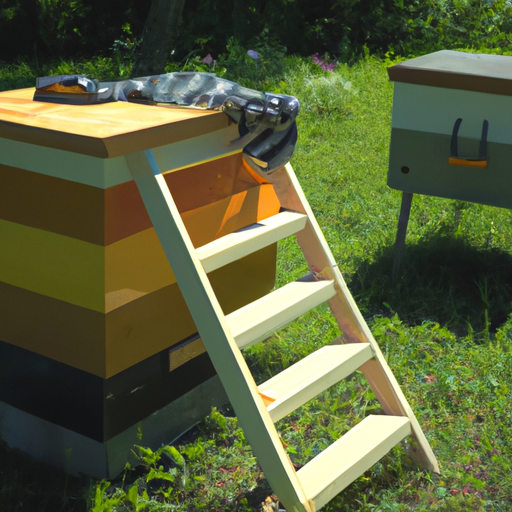
"Bee Sweet - Start Your Own Backyard Beehive and Enjoy the Sweet Rewards!"
Introduction
If you’ve ever wanted to start a backyard beehive and harvest your own honey, you’ve come to the right place. Beekeeping is a rewarding hobby that can provide you with delicious honey and other bee products. It’s also a great way to help the environment by providing a safe habitat for bees. In this guide, we’ll cover everything you need to know about starting a backyard beehive, from choosing the right equipment to harvesting your own honey. We’ll also discuss the importance of beekeeping and how it can help the environment. So, let’s get started!
The Basics of Starting a Backyard Beehive: What You Need to Know
Are you interested in starting a backyard beehive? If so, you’ve come to the right place! Keeping bees is a rewarding and educational experience, and it can also provide you with delicious honey. Before you get started, however, there are a few things you should know.
First, you’ll need to purchase the right equipment. This includes a beehive, frames, a smoker, a bee suit, and a hive tool. You’ll also need to purchase bees, which can be ordered online or from a local beekeeper.
Second, you’ll need to find a suitable location for your beehive. It should be in a sunny spot that is sheltered from the wind. You’ll also need to make sure that there is a water source nearby, as bees need water to survive.
Third, you’ll need to learn about beekeeping. This includes understanding the life cycle of bees, how to inspect the hive, and how to manage pests and diseases. You can find plenty of resources online, or you can take a beekeeping class.
Finally, you’ll need to be patient. It can take several months for a hive to become established and start producing honey. During this time, you’ll need to inspect the hive regularly and make sure that the bees have enough food and water.
Starting a backyard beehive is a rewarding experience, but it’s important to do your research and be prepared. With the right equipment, location, and knowledge, you’ll be well on your way to becoming a successful beekeeper.
How to Choose the Right Beehive for Your Backyard
If you’re looking to start beekeeping in your backyard, you’ll need to choose the right beehive for your needs. There are a variety of beehive designs available, each with its own advantages and disadvantages. To help you make the best decision for your beekeeping needs, here are some tips for choosing the right beehive.
First, consider the size of your bee colony. Different beehive designs are better suited for different sizes of colonies. If you’re just starting out, you may want to opt for a smaller beehive, such as a Langstroth or Top Bar hive. These hives are designed to accommodate smaller colonies and are relatively easy to manage.
Next, consider the climate in which you’ll be keeping your bees. Different beehive designs are better suited for different climates. For example, if you live in a cold climate, you may want to opt for a Warre hive, which is designed to keep the bees warm in cold weather. On the other hand, if you live in a hot climate, you may want to opt for a Flow hive, which is designed to keep the bees cool in hot weather.
Finally, consider the amount of time and effort you’re willing to put into beekeeping. Different beehive designs require different levels of maintenance. For example, a Langstroth hive requires more frequent inspections and maintenance than a Flow hive. If you’re looking for a low-maintenance option, you may want to opt for a Flow hive.
By considering the size of your bee colony, the climate in which you’ll be keeping your bees, and the amount of time and effort you’re willing to put into beekeeping, you can choose the right beehive for your needs. With the right beehive, you can enjoy the rewards of beekeeping in your own backyard.
Tips for Installing and Maintaining Your Backyard Beehive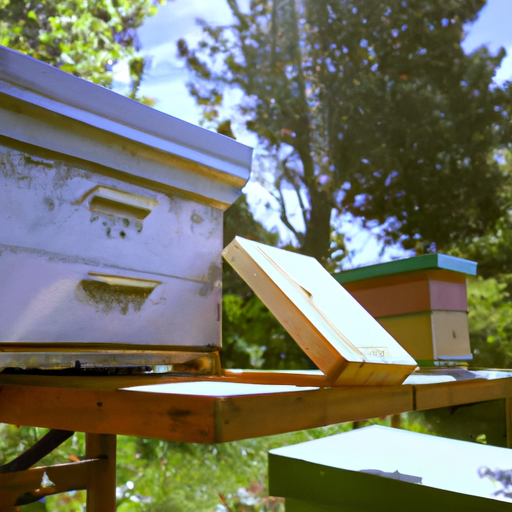
Welcome to the wonderful world of beekeeping! Keeping bees in your backyard can be a rewarding experience, but it also requires a lot of care and maintenance. Here are some tips to help you get started and keep your beehive in top condition.
1. Choose the Right Location: When selecting a spot for your beehive, make sure it is in a sunny, sheltered area that is away from foot traffic and other disturbances. The hive should also be close to a water source, such as a pond or stream.
2. Prepare the Hive: Before you install your beehive, make sure it is in good condition. Check for any cracks or damage and repair or replace any parts that are not in good condition.
3. Install the Hive: When installing the hive, make sure it is level and secure. Use a spirit level to check the hive is level and use screws or nails to secure it to the ground.
4. Monitor the Hive: Regularly check the hive for signs of disease or pests. If you notice any problems, take action immediately to prevent further damage.
5. Feed the Bees: Make sure the bees have access to a food source, such as sugar water or pollen. This will help them stay healthy and productive.
6. Maintain the Hive: Regularly inspect the hive for signs of damage or decay. Replace any broken or worn parts and make sure the hive is clean and free of debris.
7. Protect the Hive: Make sure the hive is protected from predators, such as bears or skunks. Install a fence or other barrier around the hive to keep them away.
Following these tips will help ensure your beehive is in top condition and your bees are healthy and productive. Beekeeping can be a rewarding experience, so take the time to properly care for your hive and enjoy the fruits of your labor!
The Benefits of Harvesting Your Own Honey from a Backyard Beehive
Harvesting your own honey from a backyard beehive is a rewarding experience that can provide many benefits. Not only is it a great way to enjoy a delicious, natural sweetener, but it can also help to support the environment and provide a unique hobby. Here are some of the benefits of harvesting your own honey from a backyard beehive.
First, harvesting your own honey is a great way to enjoy a natural sweetener. Honey is a natural sweetener that is free from artificial ingredients and preservatives. It is also a great source of antioxidants, vitamins, and minerals. By harvesting your own honey, you can be sure that you are getting a pure, natural product that is free from any additives.
Second, harvesting your own honey can help to support the environment. Bees are essential to the environment, as they help to pollinate plants and flowers. By harvesting your own honey, you can help to support the bee population and ensure that they are able to continue to do their important work.
Third, harvesting your own honey can provide a unique hobby. Beekeeping is a fascinating hobby that can be both educational and enjoyable. It is a great way to learn about the life cycle of bees and the importance of pollination. Plus, it can be a great way to spend time outdoors and enjoy the beauty of nature.
Finally, harvesting your own honey can be a great way to save money. By harvesting your own honey, you can avoid the cost of buying honey from the store. Plus, you can be sure that you are getting a pure, natural product that is free from any additives.
Harvesting your own honey from a backyard beehive can provide many benefits. Not only is it a great way to enjoy a delicious, natural sweetener, but it can also help to support the environment and provide a unique hobby. If you are looking for a rewarding experience, consider harvesting your own honey from a backyard beehive.
How to Extract and Store Honey from Your Backyard Beehive
If you are lucky enough to have a backyard beehive, you may be wondering how to extract and store the honey it produces. Extracting and storing honey from a beehive is a relatively simple process, but it is important to take the necessary precautions to ensure the safety of both you and the bees. Here is a step-by-step guide to help you extract and store honey from your backyard beehive.
Step 1: Prepare the Hive
Before you begin extracting honey, you must first prepare the hive. Start by removing any frames that are not full of honey. Then, use a bee brush to gently brush away any bees that may be clinging to the frames. Once the frames are clear of bees, you can begin the extraction process.
Step 2: Extract the Honey
Once the hive is prepared, you can begin extracting the honey. Start by placing the frames in an extractor, which is a device that spins the frames to separate the honey from the comb. As the extractor spins, the honey will be forced out of the comb and into a container.
Step 3: Strain the Honey
Once the honey has been extracted, it is important to strain it to remove any debris or wax that may have been mixed in. To do this, simply pour the honey through a fine mesh strainer into a clean container.
Step 4: Store the Honey
Once the honey has been strained, it is ready to be stored. The best way to store honey is in an airtight container, such as a Mason jar. Make sure to label the container with the date and type of honey so that you can easily identify it in the future.
By following these steps, you can easily extract and store honey from your backyard beehive. Remember to always take the necessary precautions to ensure the safety of both you and the bees. With a little bit of patience and care, you can enjoy the sweet rewards of your beehive for years to come.
Conclusion
Starting a backyard beehive and harvesting your own honey is a rewarding experience that can provide you with a sustainable source of honey and other bee products. It is important to research the local laws and regulations regarding beekeeping, as well as the necessary equipment and supplies. Additionally, it is important to understand the basics of beekeeping and the importance of providing a safe and healthy environment for your bees. With the right knowledge and dedication, you can enjoy the sweet rewards of harvesting your own honey.