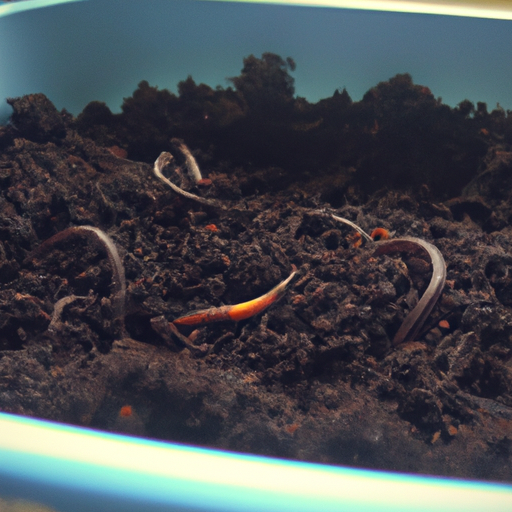
"Grow Your Own Sustainable Source of Protein - Worm Farm at Home!"
Introduction
Worm farming at home is an excellent way to reduce your environmental footprint while also providing you with a sustainable source of organic fertilizer for your garden. Worm farming is a great way to recycle food scraps and other organic materials, while also providing a natural way to fertilize your garden. Worms are incredibly efficient at breaking down organic matter, and their castings are an excellent source of nutrients for your plants. Additionally, worm farming is a relatively low-maintenance activity that can be done indoors or outdoors, making it a great option for those who want to reduce their environmental impact without sacrificing convenience. In this article, we will discuss the many benefits of worm farming at home.
How to Maximize the Benefits of Worm Farming at Home
Worm farming is an increasingly popular way to reduce waste and create nutrient-rich soil for gardening. It is a simple and cost-effective way to create a sustainable and eco-friendly environment in your own home. To maximize the benefits of worm farming, there are several steps you can take.
First, it is important to choose the right type of worms for your environment. Red wigglers are the most common type of worms used in worm farming, as they are easy to care for and reproduce quickly. It is also important to select the right type of container for your worms. Plastic bins with lids are ideal, as they provide a dark, moist environment for the worms to thrive.
Second, you should create the right environment for your worms. The ideal temperature for worm farming is between 55 and 77 degrees Fahrenheit. The container should also be kept moist, but not wet. You can do this by adding a few inches of moist bedding material, such as shredded newspaper or coconut coir, to the container.
Third, you should feed your worms a balanced diet. Worms need a variety of organic materials, such as vegetable scraps, coffee grounds, and eggshells. You should avoid feeding them meat, dairy, or processed foods. It is also important to feed the worms in small amounts, as too much food can lead to an unhealthy environment.
Finally, you should monitor the health of your worms. You should check the container regularly for signs of disease or pests. If you notice any problems, you should take steps to address them immediately.
By following these steps, you can maximize the benefits of worm farming and create a sustainable and eco-friendly environment in your own home.
The Benefits of Worm Castings for Home Gardeners
Worm castings are a valuable resource for home gardeners, offering a range of benefits that can help to improve the health and productivity of gardens. Worm castings are the nutrient-rich material that is produced by earthworms as they digest organic matter. This material is full of beneficial bacteria, fungi, and other microorganisms, as well as essential plant nutrients.
The most obvious benefit of worm castings is the nutrient content. Worm castings are rich in nitrogen, phosphorus, and potassium, as well as other essential micronutrients. These nutrients are readily available to plants, meaning that they can be quickly absorbed and used for growth. Worm castings also contain beneficial bacteria and fungi, which can help to improve soil structure and increase the availability of nutrients.
Worm castings also have the ability to improve soil structure. The castings contain humic acid, which helps to bind soil particles together and improve the soil’s ability to retain moisture. This can help to reduce the need for frequent watering and can also help to reduce the risk of soil erosion.
Worm castings can also help to improve the health of plants. The beneficial bacteria and fungi in the castings can help to suppress disease-causing organisms, while the nutrients can help to promote healthy growth. Worm castings can also help to improve the soil’s ability to retain nutrients, meaning that plants can access the nutrients they need more easily.
Finally, worm castings can help to improve the overall health of the garden. The beneficial bacteria and fungi in the castings can help to break down organic matter, releasing nutrients into the soil that can be used by plants. This can help to reduce the need for chemical fertilizers, making the garden more sustainable.
In conclusion, worm castings are a valuable resource for home gardeners, offering a range of benefits that can help to improve the health and productivity of gardens. The nutrient content, soil structure, and disease-suppressing properties of worm castings can all help to improve the health of plants and the overall sustainability of the garden.
How to Create a Sustainable Worm Farm at Home
Creating a sustainable worm farm at home is a great way to reduce your environmental footprint and produce nutrient-rich compost for your garden. Worm farming is a simple and cost-effective way to reduce your waste and create a sustainable source of compost for your plants. Here are the steps to creating a sustainable worm farm at home.
1. Gather the necessary materials. You will need a container, such as a plastic bin or a wooden box, to house your worms. You will also need a lid, bedding material, such as shredded newspaper or coconut coir, and food scraps for your worms.
2. Prepare the container. Drill several holes in the sides and lid of the container to provide ventilation for your worms. Place the container in a cool, dark place, such as a basement or garage.
3. Add the bedding material. Fill the container with the bedding material, making sure to moisten it with water. The bedding should be damp but not wet.
4. Add the worms. You can purchase worms from a local garden center or online. Place the worms in the bedding and cover them with a thin layer of bedding material.
5. Feed the worms. Feed the worms with food scraps, such as vegetable and fruit peels, coffee grounds, and eggshells. Make sure to bury the food scraps in the bedding material to keep the worms’ environment clean and odor-free.
6. Monitor the environment. Check the bedding material regularly to make sure it is damp but not wet. If the bedding is too wet, add more dry bedding material. If the bedding is too dry, add a bit of water.
7. Harvest the compost. After a few months, you will be able to harvest the nutrient-rich compost from the bottom of the container. This compost can be used to fertilize your garden and plants.
Creating a sustainable worm farm at home is a great way to reduce your environmental footprint and produce nutrient-rich compost for your garden. With the right materials and a bit of care, you can create a sustainable source of compost for your plants.
The Benefits of Worm Tea for Home Gardeners
Worm tea is a nutrient-rich liquid fertilizer that is becoming increasingly popular among home gardeners. This natural fertilizer is made by steeping composting worms in water, and it is an excellent way to provide essential nutrients to plants. Worm tea is easy to make and use, and it offers a number of benefits for home gardeners.
One of the primary benefits of worm tea is that it is an organic fertilizer. Unlike chemical fertilizers, it does not contain any synthetic ingredients that can be harmful to plants or the environment. Worm tea is also rich in beneficial microorganisms, which can help to improve soil structure and fertility. These microorganisms can help to break down organic matter, making it easier for plants to absorb nutrients.
Worm tea is also an excellent source of nutrients for plants. It contains nitrogen, phosphorus, and potassium, as well as trace elements such as iron, zinc, and copper. These nutrients are essential for healthy plant growth and development. Worm tea can also help to improve soil structure, as the microorganisms in the tea help to break down organic matter and create a more porous soil. This can help to improve drainage and aeration, which can be beneficial for root growth.
Worm tea is also easy to make and use. All that is required is a container of composting worms, water, and a few other simple ingredients. The worms are placed in the water and allowed to steep for several days. The resulting liquid can then be used as a fertilizer for plants. It can be applied directly to the soil or diluted with water and used as a foliar spray.
In conclusion, worm tea is an excellent fertilizer for home gardeners. It is an organic fertilizer that is rich in beneficial microorganisms and essential nutrients. It is also easy to make and use, and it can help to improve soil structure and fertility. For these reasons, worm tea is an excellent choice for home gardeners looking to provide their plants with the nutrients they need for healthy growth.
The Benefits of Vermicomposting for Home Gardeners
Vermicomposting is an increasingly popular method of composting for home gardeners. This method of composting uses worms to break down organic matter into a nutrient-rich soil amendment. Vermicomposting offers a number of benefits for home gardeners, including improved soil fertility, increased water retention, and reduced waste.
One of the primary benefits of vermicomposting is improved soil fertility. The worms break down organic matter into a nutrient-rich soil amendment, which can be used to improve the fertility of garden soil. This amendment is rich in nitrogen, phosphorus, and potassium, as well as other essential micronutrients. This helps to promote healthy plant growth and can improve the overall health of the garden.
Vermicomposting also helps to increase water retention in the soil. The worms create tunnels and channels in the soil, which helps to improve the soil’s ability to absorb and retain water. This can be especially beneficial in areas with dry climates or during periods of drought.
Finally, vermicomposting can help to reduce waste. The worms break down organic matter, such as food scraps and yard waste, into a nutrient-rich soil amendment. This helps to reduce the amount of waste that is sent to landfills and can help to reduce the environmental impact of home gardening.
In conclusion, vermicomposting offers a number of benefits for home gardeners. This method of composting helps to improve soil fertility, increase water retention, and reduce waste. For these reasons, vermicomposting is an increasingly popular method of composting for home gardeners.
How to Get Started with Worm Farming at Home
Worm farming is an increasingly popular way to reduce waste and create nutrient-rich soil for gardening. It is a simple and sustainable way to reduce your environmental footprint and create a healthy, productive garden. With a few simple steps, you can get started with worm farming at home.
First, you will need to purchase a worm bin. There are many types of worm bins available, from simple plastic bins to more elaborate wooden boxes. Choose a bin that is large enough to accommodate the number of worms you plan to keep. Make sure the bin has a lid to keep out pests and a drainage system to keep the worms’ environment moist.
Next, you will need to purchase worms. Red wigglers are the most common type of worm used in worm farming. They are easy to care for and reproduce quickly. You can purchase red wigglers from a local garden center or online.
Once you have your worms, you will need to prepare their environment. Fill the bin with moist bedding, such as shredded newspaper, coconut coir, or peat moss. Add a few handfuls of soil to the bedding to provide the worms with nutrients.
Now it’s time to add the worms to the bin. Place the worms on top of the bedding and cover them with a thin layer of soil. Make sure the worms have access to air by leaving a few inches of bedding uncovered.
Finally, you will need to feed the worms. Worms eat organic matter, such as vegetable scraps, coffee grounds, and eggshells. Feed the worms small amounts of food every few days. Make sure the food is chopped into small pieces and spread out evenly in the bin.
Worm farming is a great way to reduce waste and create nutrient-rich soil for your garden. With a few simple steps, you can get started with worm farming at home.
The Benefits of Worm Farming for Home Gardeners
Worm farming is an increasingly popular activity for home gardeners, as it offers a number of benefits. Worms are nature’s recyclers, and they can help to break down organic matter and create nutrient-rich compost for use in the garden. Worm farming is also an easy and cost-effective way to produce compost, and it can be done in a relatively small space.
One of the main benefits of worm farming is that it produces a high-quality compost. Worms are able to break down organic matter quickly and efficiently, resulting in a nutrient-rich compost that is ideal for use in the garden. This compost is rich in nitrogen, phosphorus, and potassium, which are essential for healthy plant growth. It also contains beneficial microorganisms that can help to improve soil structure and fertility.
Worm farming is also an efficient way to produce compost. Worms are able to process large amounts of organic matter in a relatively short period of time. This means that home gardeners can produce a large amount of compost in a relatively small space. Worms also require minimal maintenance, making them an ideal choice for busy gardeners.
Finally, worm farming is an environmentally friendly way to produce compost. Worms are able to break down organic matter without the need for chemical fertilizers or pesticides. This means that the compost produced is free from harmful chemicals, making it safe for use in the garden.
In conclusion, worm farming is an ideal activity for home gardeners. It is an efficient and cost-effective way to produce high-quality compost, and it is also an environmentally friendly option. Worm farming is easy to set up and requires minimal maintenance, making it an ideal choice for busy gardeners.
Conclusion
In conclusion, worm farming at home has many benefits. It is an easy and cost-effective way to produce nutrient-rich compost for your garden, reduce your waste, and even make a little extra money. Worm farming is also a great way to teach children about the importance of sustainability and the environment. With a little bit of effort, you can create a sustainable and rewarding worm farm in your own backyard.