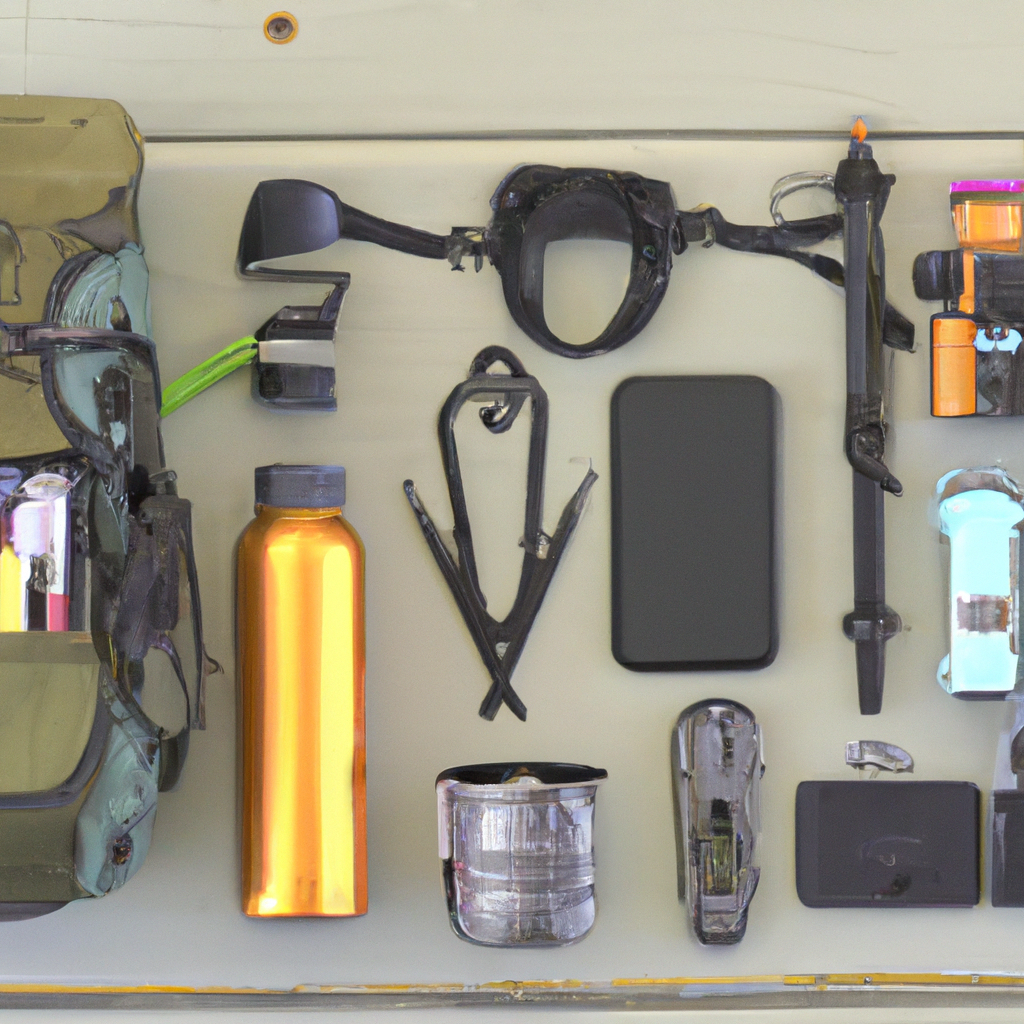
"Be Prepared: 10 Must-Have Items for Your Bug-Out Bag!"
Introduction
When disaster strikes, it is important to be prepared. A bug-out bag is an essential item to have in case of an emergency. It should contain all the items you need to survive for at least 72 hours. Here are 10 essential items to include in your bug-out bag: water, food, first aid kit, flashlight, knife, shelter, clothing, fire starter, map, and communication device. Having these items in your bug-out bag will ensure that you are prepared for any emergency situation.
The Importance of a Quality Backpack: What to Look for and How to Choose the Right One
A quality backpack is an essential item for anyone who needs to carry items with them on a regular basis. Whether you are a student, a professional, or an outdoor enthusiast, having a reliable and comfortable backpack is essential. When choosing a backpack, there are several factors to consider in order to ensure that you select the right one for your needs.
First, consider the size of the backpack. It should be large enough to accommodate all of the items you need to carry, but not so large that it becomes cumbersome or uncomfortable to wear. Additionally, look for a backpack with adjustable straps and a padded back panel to ensure a comfortable fit.
Second, consider the material of the backpack. Look for a material that is durable and waterproof, such as nylon or canvas. This will ensure that your items remain safe and dry, even in wet weather.
Third, consider the features of the backpack. Look for a backpack with multiple compartments and pockets to help you organize your items. Additionally, look for a backpack with a laptop sleeve or other specialized compartments for items such as a water bottle or umbrella.
Finally, consider the price of the backpack. Quality backpacks can range in price from a few dollars to hundreds of dollars. Consider your budget and the features you need in order to determine the best backpack for your needs.
By considering these factors, you can ensure that you select the right backpack for your needs. A quality backpack is an essential item for anyone who needs to carry items with them on a regular basis. With the right backpack, you can ensure that your items remain safe and secure, and that you remain comfortable while carrying them.
Water Purification: What Options are Available and How to Choose the Best One
Water purification is an important process for ensuring that the water we drink is safe and free from contaminants. There are a variety of options available for water purification, and it is important to understand the different types of systems and how to choose the best one for your needs.
The most common type of water purification system is a point-of-use (POU) system. These systems are typically installed at the point of use, such as a kitchen sink or shower, and are designed to remove contaminants from the water before it is used. POU systems can be either active or passive, and can include filters, reverse osmosis, ultraviolet light, and other technologies.
Another type of water purification system is a point-of-entry (POE) system. These systems are installed at the point of entry to the home, such as the main water line, and are designed to remove contaminants from the water before it enters the home. POE systems can include filters, softeners, ultraviolet light, and other technologies.
When choosing a water purification system, it is important to consider the type of contaminants that need to be removed from the water. Different systems are designed to remove different types of contaminants, so it is important to choose a system that is designed to remove the contaminants that are present in your water.
It is also important to consider the cost of the system. Some systems can be quite expensive, while others are more affordable. It is important to compare the cost of the system to the cost of the water that will be purified, as well as the cost of any maintenance or replacement parts that may be needed.
Finally, it is important to consider the ease of installation and maintenance of the system. Some systems require professional installation, while others can be installed by the homeowner. It is important to choose a system that is easy to install and maintain, as this will save time and money in the long run.
By understanding the different types of water purification systems available and how to choose the best one for your needs, you can ensure that the water you drink is safe and free from contaminants.
Food Storage: What to Pack and How to Make Sure it Lasts
When packing food for a trip, it is important to consider the type of food, the length of the trip, and the temperature of the environment. It is also important to ensure that the food is properly stored and will last for the duration of the trip.
When selecting food for a trip, it is important to choose items that are non-perishable and will not spoil quickly. Canned goods, dried fruits and nuts, and jerky are all good options. It is also important to choose items that are easy to transport and will not take up too much space.
When packing food, it is important to use airtight containers to prevent spoilage. Plastic bags, Tupperware, and mason jars are all good options. It is also important to make sure that the food is properly labeled and dated. This will help to ensure that the food is not consumed past its expiration date.
When storing food, it is important to consider the temperature of the environment. If the temperature is too hot, food can spoil quickly. If the temperature is too cold, food can freeze and become inedible. It is important to store food in a cool, dry place to ensure that it will last for the duration of the trip.
Finally, it is important to make sure that food is properly sealed and stored away from any potential contaminants. This will help to ensure that the food is safe to eat and will not cause any health issues.
By following these tips, it is possible to ensure that food is properly packed and stored for a trip. This will help to ensure that the food is safe to eat and will last for the duration of the trip.
First Aid Kit: What to Include and How to Use it Properly
Having a first aid kit on hand is essential for any home, office, or vehicle. A first aid kit should contain the necessary items to treat minor injuries and illnesses, as well as provide comfort and support in the event of an emergency. Knowing what to include in a first aid kit and how to use it properly can help ensure that you are prepared for any situation.
The items in a first aid kit should be tailored to the needs of the user. Generally, a first aid kit should include items such as adhesive bandages, gauze pads, medical tape, antiseptic wipes, antibiotic ointment, tweezers, scissors, safety pins, thermometer, and a first aid manual. It is also important to include any medications that may be needed, such as pain relievers, antihistamines, and epinephrine auto-injectors.
When using a first aid kit, it is important to read the instructions carefully and follow them closely. If you are unsure of how to use a particular item, do not attempt to use it. Instead, seek medical advice from a qualified healthcare professional. Additionally, it is important to keep the items in the first aid kit organized and in their original packaging. This will help ensure that the items are not damaged or contaminated.
Finally, it is important to regularly check the items in your first aid kit and replace any that are expired or missing. This will help ensure that you are always prepared for any situation.
By following these guidelines, you can ensure that you are prepared for any minor injury or illness. Having a first aid kit on hand can provide peace of mind and help you respond quickly and effectively in the event of an emergency.
Fire Starting Supplies: What to Pack and How to Use Them
When heading out into the wilderness, it is important to be prepared for any situation. One of the most important items to bring along is fire starting supplies. Having the right supplies and knowing how to use them can make the difference between a successful camping trip and a disaster.
The first item to pack is a fire starter. This can be anything from a lighter to a magnesium fire starter. A lighter is the most common and easiest to use, but it is important to make sure it is full of fuel before heading out. A magnesium fire starter is a great alternative as it is waterproof and can be used even when wet.
The next item to pack is tinder. This is the material that will be used to start the fire. It should be dry and easily combustible. Some good options include dryer lint, cotton balls, and dryer sheets.
The last item to pack is kindling. This is the material that will be used to keep the fire going. It should be small and dry, such as twigs, pine needles, and small pieces of wood.
Once all the supplies are gathered, it is time to start the fire. Begin by creating a small pile of tinder in the center of the fire pit. Then, use the fire starter to light the tinder. Once the tinder is burning, add the kindling to the fire. Continue to add more kindling until the fire is burning steadily.
Fire starting supplies are essential for any camping trip. By packing the right supplies and knowing how to use them, you can ensure that your trip is a success.
Navigation tools are essential for any outdoor adventure. Knowing what to bring and how to use them can help ensure a safe and successful journey.
Compass: A compass is a must-have for any outdoor excursion. It is used to determine direction and can be used in conjunction with a map to help you find your way. When using a compass, make sure to orient the map to the compass and then use the compass to determine the direction you need to go.
GPS: A GPS (Global Positioning System) is a great tool for navigation. It can be used to pinpoint your exact location and track your progress. GPS devices come in a variety of shapes and sizes, from handheld units to smartphone apps.
Map: A map is an essential tool for navigation. It can be used to plan your route and identify landmarks along the way. Make sure to bring a detailed map of the area you are exploring and familiarize yourself with it before you set out.
Altimeter: An altimeter is a device used to measure altitude. It is useful for determining your elevation and can help you plan your route accordingly.
Whistle: A whistle is a simple but effective tool for signaling for help in an emergency. It is also useful for alerting other hikers of your presence.
These are just a few of the navigation tools you should bring on your next outdoor adventure. Knowing how to use them correctly can help ensure a safe and successful journey.
Shelter: What to Pack and How to Set it Up
When packing for a shelter, it is important to consider the items you will need to make your stay comfortable and safe. Here is a list of items to consider packing:
1. Sleeping bag or blankets: A sleeping bag or blankets will provide warmth and comfort during your stay.
2. Pillow: A pillow will provide support for your head and neck while you sleep.
3. Flashlight: A flashlight will help you navigate the shelter in the dark.
4. Food and water: Pack enough food and water to last you for the duration of your stay.
5. Clothing: Pack enough clothing to keep you warm and dry.
6. First aid kit: A first aid kit should include bandages, antiseptic, and other items to treat minor injuries.
7. Hygiene items: Pack items such as soap, toothbrush, and toothpaste to maintain personal hygiene.
8. Books or games: Pack items to help pass the time such as books or board games.
Once you have packed the necessary items, it is important to set up your shelter in a safe and comfortable manner. Here are some tips for setting up your shelter:
1. Choose a safe location: Choose a location that is away from potential hazards such as flooding or falling debris.
2. Set up your sleeping area: Place your sleeping bag or blankets on the ground and make sure it is away from any potential hazards.
3. Set up your food and water: Place your food and water in a safe location away from potential hazards.
4. Set up your hygiene area: Place your hygiene items in a safe location away from potential hazards.
5. Set up your entertainment area: Place your books or games in a safe location away from potential hazards.
By following these tips, you can ensure that your shelter is set up in a safe and comfortable manner.
Clothing: What to Pack and How to Choose the Right Materials
When packing for a trip, it is important to choose the right clothing to ensure you are comfortable and prepared for any situation. Here are some tips to help you choose the right materials and pack the right clothing for your trip.
First, consider the climate and weather of your destination. If you are traveling to a warm climate, lightweight fabrics such as cotton and linen are ideal. These fabrics are breathable and will keep you cool in the heat. For colder climates, opt for heavier fabrics such as wool and flannel. These fabrics will keep you warm and insulated.
Next, consider the activities you will be doing on your trip. If you plan to be active, choose clothing made from moisture-wicking fabrics such as polyester and spandex. These fabrics will keep you dry and comfortable during physical activities. If you plan to be more relaxed, opt for comfortable fabrics such as cotton and jersey.
Finally, consider the style of clothing you want to pack. If you are traveling for business, pack clothing that is professional and appropriate for the occasion. If you are traveling for leisure, pack clothing that is comfortable and stylish.
By following these tips, you can ensure that you pack the right clothing for your trip. Choose the right materials and styles to ensure you are comfortable and prepared for any situation.
Self-Defense: What to Pack and How to Use it Effectively
Self-defense is an important skill to have in today’s world. It is important to be prepared and know how to use the items you have to protect yourself. This article will provide information on what items to pack for self-defense and how to use them effectively.
The first item to consider packing for self-defense is a personal alarm. Personal alarms are small devices that emit a loud sound when activated. This sound can be used to draw attention to yourself and scare away potential attackers. Personal alarms are easy to carry and can be activated quickly in an emergency.
The second item to consider packing for self-defense is pepper spray. Pepper spray is a chemical irritant that causes temporary blindness and difficulty breathing when sprayed in the face of an attacker. It is important to practice using pepper spray before carrying it, as it can be difficult to aim accurately in a stressful situation.
The third item to consider packing for self-defense is a tactical flashlight. Tactical flashlights are designed to be used as a weapon in self-defense. They are typically made of metal and have a bright LED light that can be used to temporarily blind an attacker. They can also be used to strike an attacker if necessary.
The fourth item to consider packing for self-defense is a tactical pen. Tactical pens are designed to be used as a weapon in self-defense. They are typically made of metal and have a sharp point that can be used to stab an attacker. It is important to practice using a tactical pen before carrying it, as it can be difficult to use effectively in a stressful situation.
Finally, it is important to know how to use the items you have packed for self-defense. It is important to practice using the items before carrying them, as it can be difficult to use them effectively in a stressful situation. It is also important to be aware of your surroundings and be prepared to use the items if necessary.
In conclusion, self-defense is an important skill to have in today’s world. It is important to be prepared and know how to use the items you have to protect yourself. This article has provided information on what items to pack for self-defense and how to use them effectively.
Communication: What to Pack and How to Use it Properly
When packing for a trip, it is important to consider the type of communication you will need. Depending on the length of your trip and the type of activities you plan to do, you may need to bring a variety of communication devices. Here are some of the most common items to consider packing:
Cell Phone: A cell phone is a must-have for any trip. It allows you to stay in touch with family and friends, make emergency calls, and access the internet. Make sure to check with your cell phone provider to ensure that your phone will work in the area you are visiting.
Laptop or Tablet: If you plan to do any work or research while on your trip, a laptop or tablet is a great way to stay connected. Make sure to bring the necessary cords and chargers to keep your device powered up.
Walkie-Talkies: If you are traveling with a group, walkie-talkies are a great way to stay in touch. They are lightweight and easy to use, and can be used to communicate over short distances.
Satellite Phone: If you are traveling to a remote area, a satellite phone may be a good option. These phones allow you to make calls from virtually anywhere in the world, even if there is no cell phone service.
No matter what type of communication device you choose to bring, it is important to use it properly. Make sure to follow all safety guidelines and be aware of your surroundings. Be respectful of other people’s privacy and do not use your device in areas where it is not allowed. Finally, be sure to turn off your device when it is not in use to conserve battery life.